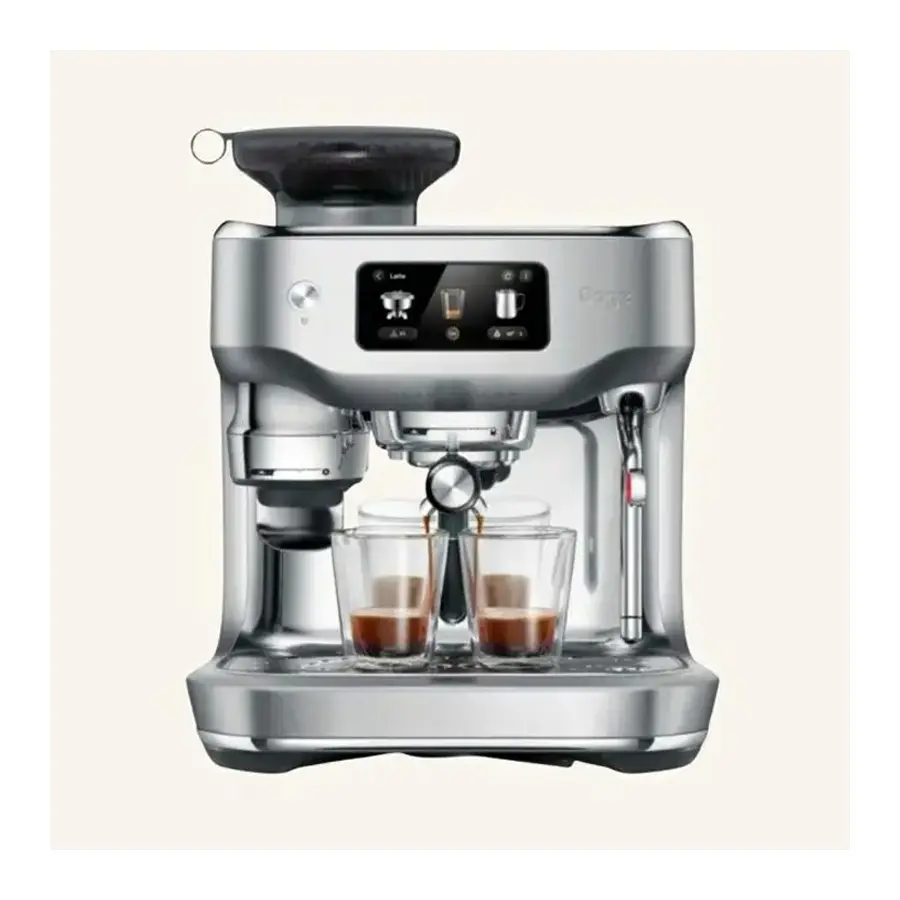
Price €2,799.90
The Oracle Dual Boiler -...
SAGE
15% gift voucher
A true espresso machine starts with controlled extraction: stable pressure, a quality portafilter and precise grinding. At Terres de Café, a French artisan coffee roaster, we select equipment designed to bring out the best in our coffees for espresso brewing, sourced directly from producers.
For even greater precision, pair your machine with a suitable coffee grinder: grind size is one of the most important variables influencing extraction and the final result in the cup.
If you are deciding between a manual espresso machine and an automatic coffee machine, our selection covers both approaches. To complete your barista setup, explore our coffee scales and our full range of coffee machines.
There are 38 products.
SAGE
15% gift voucher
SAGE
15% discount voucher
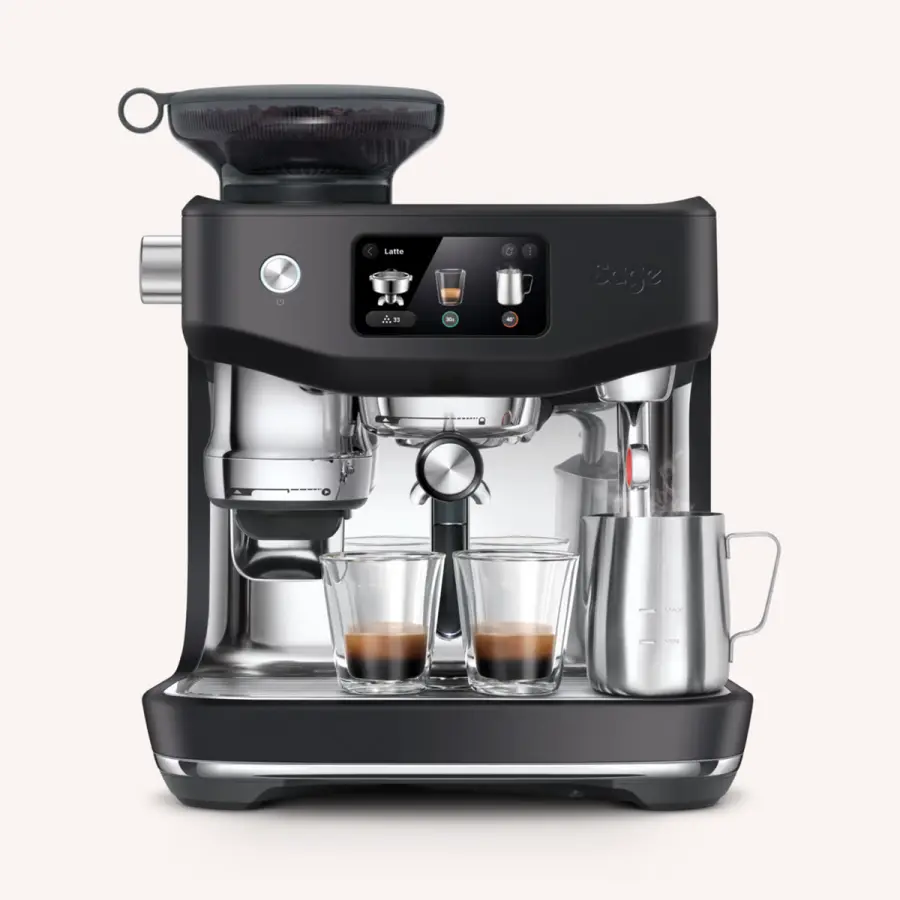
SAGE
15% discount voucher
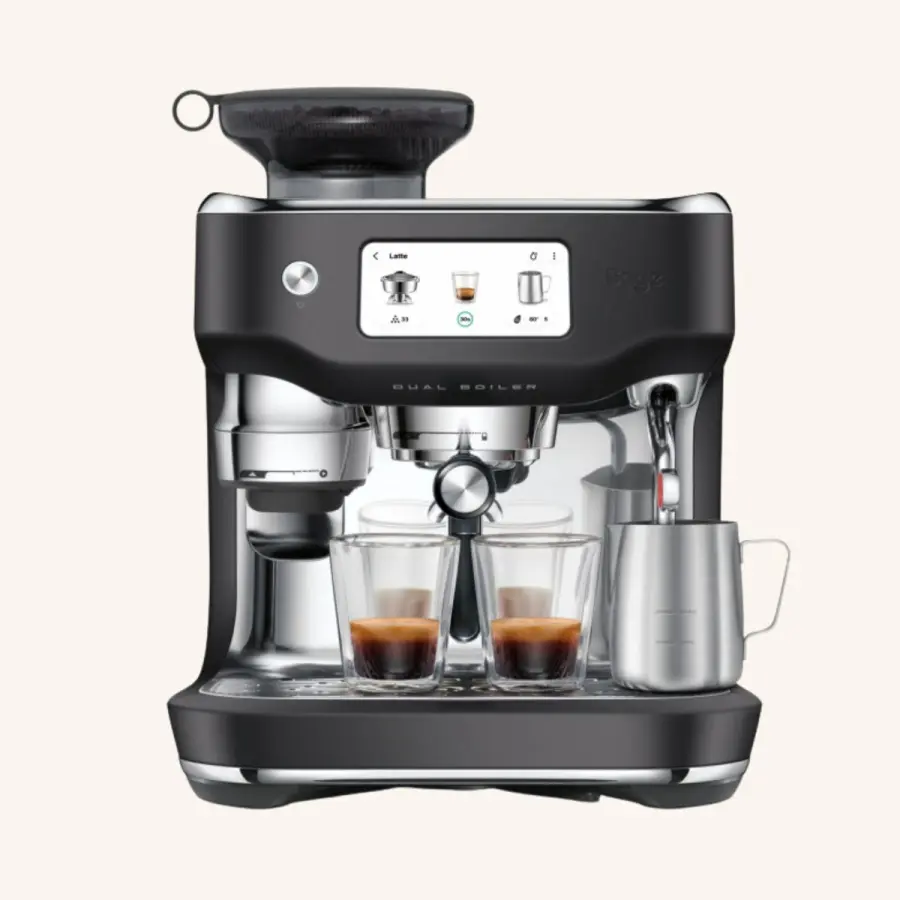
SAGE
15% gift voucher
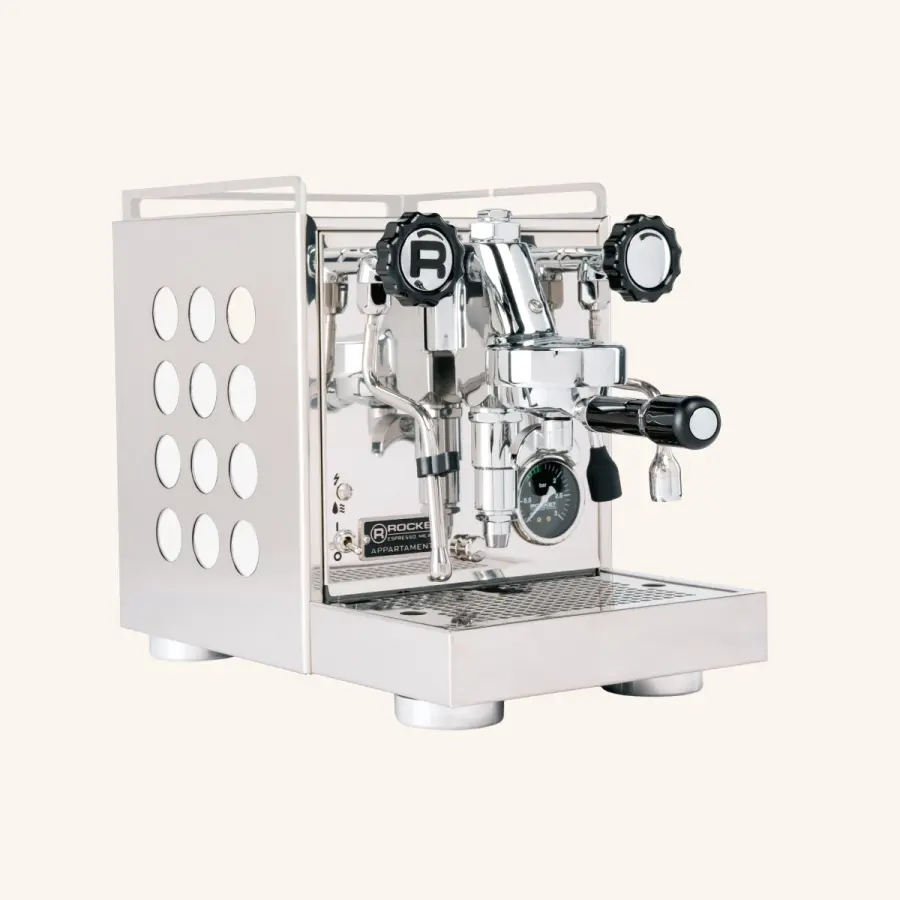
ROCKET
1kg of coffee free + 10% discount coupon
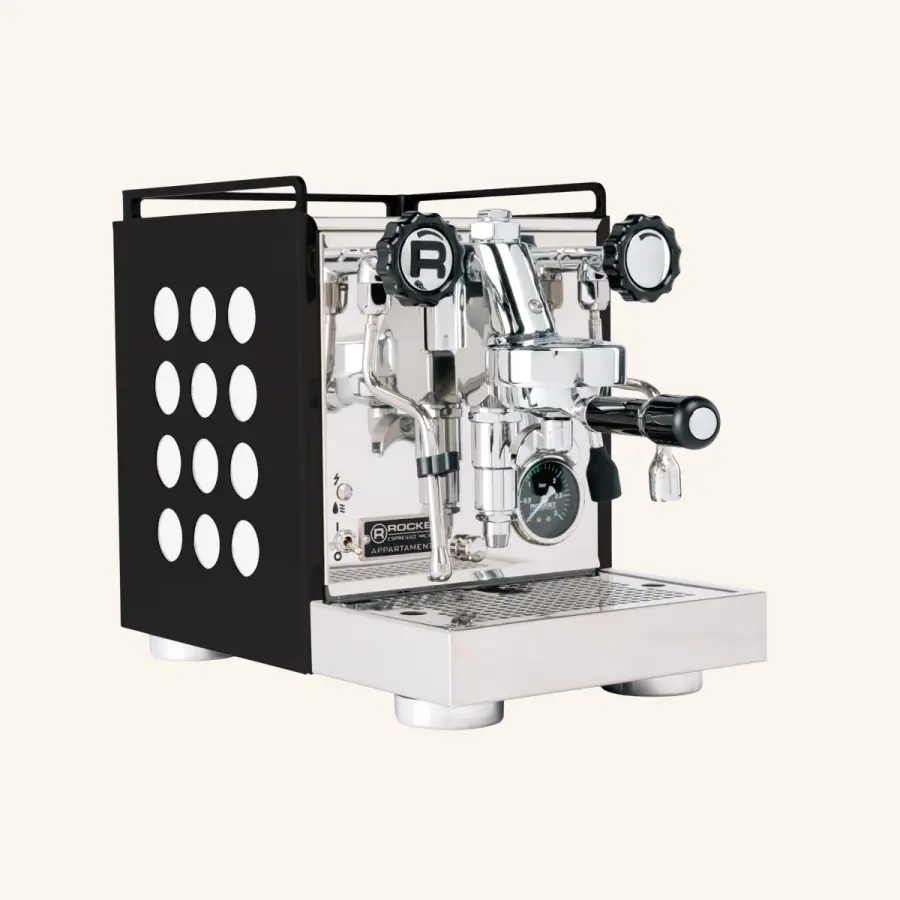
ROCKET
1kg of coffee free + 10% discount coupon
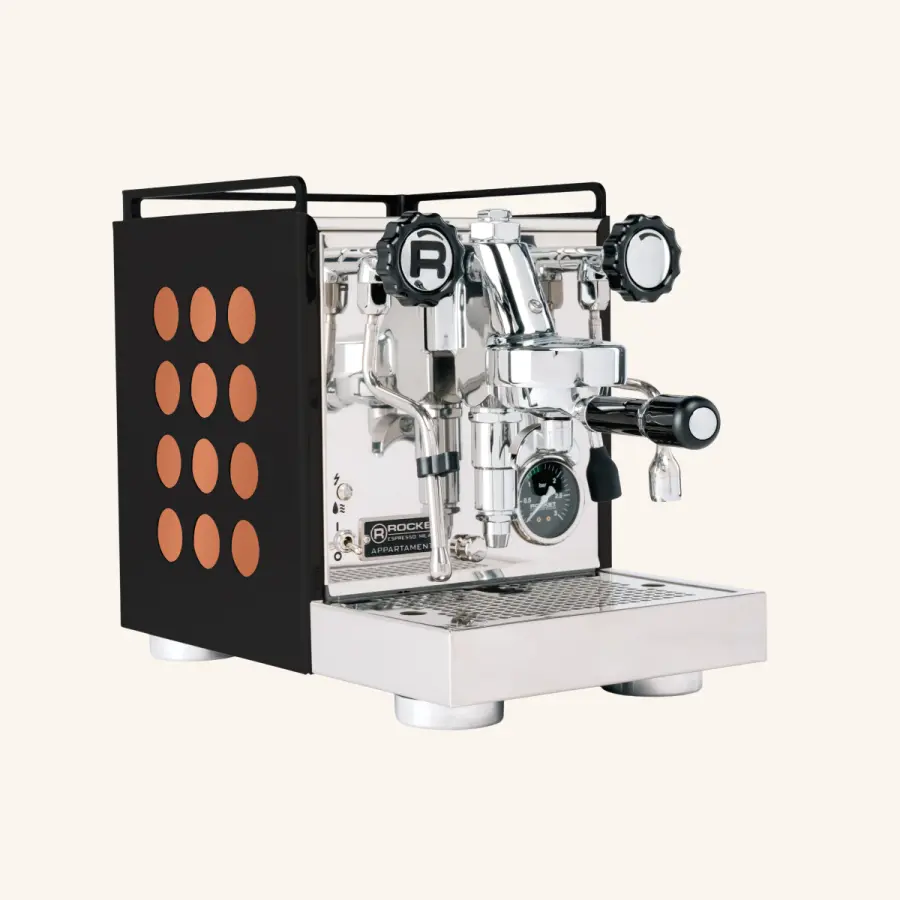
ROCKET
1kg of coffee free + 10% discount coupon
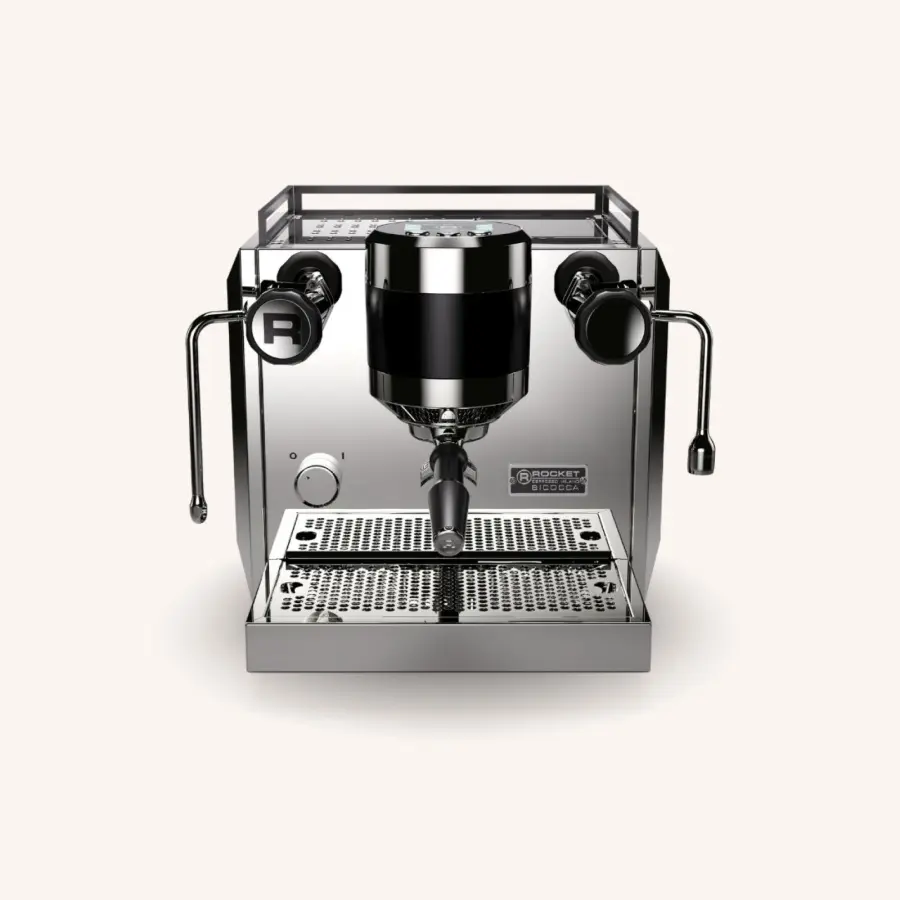
ROCKET
1kg of coffee free + 10% discount coupon
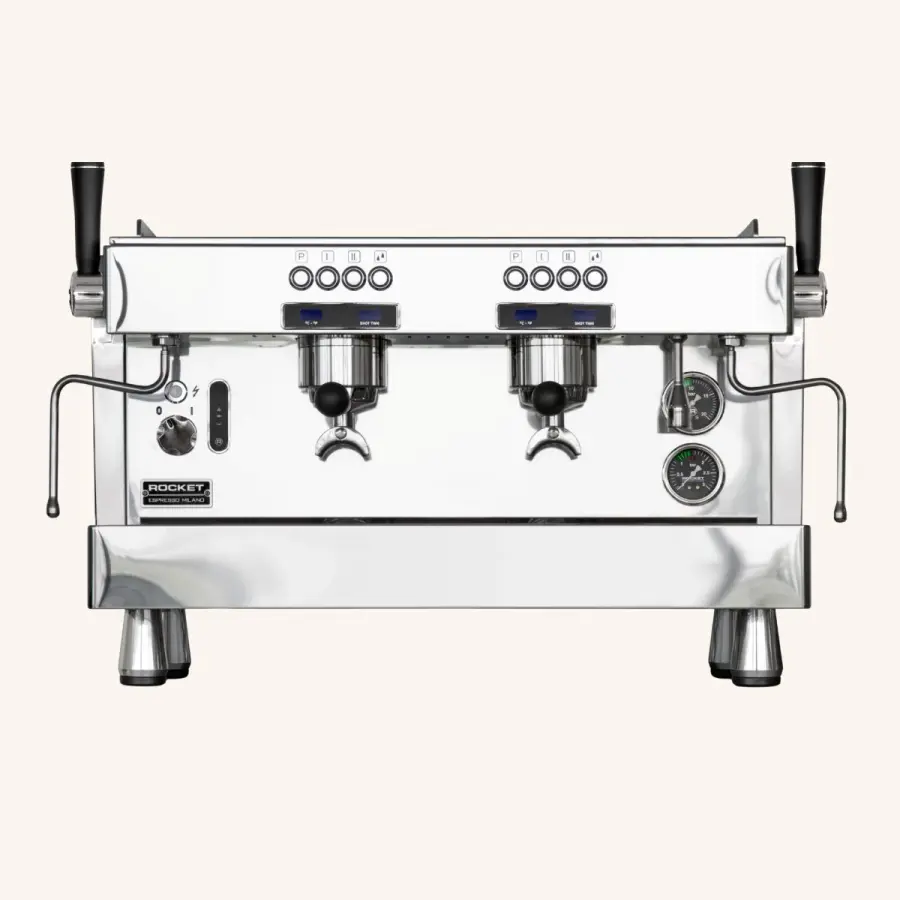
ROCKET
1kg of coffee free + 10% discount coupon
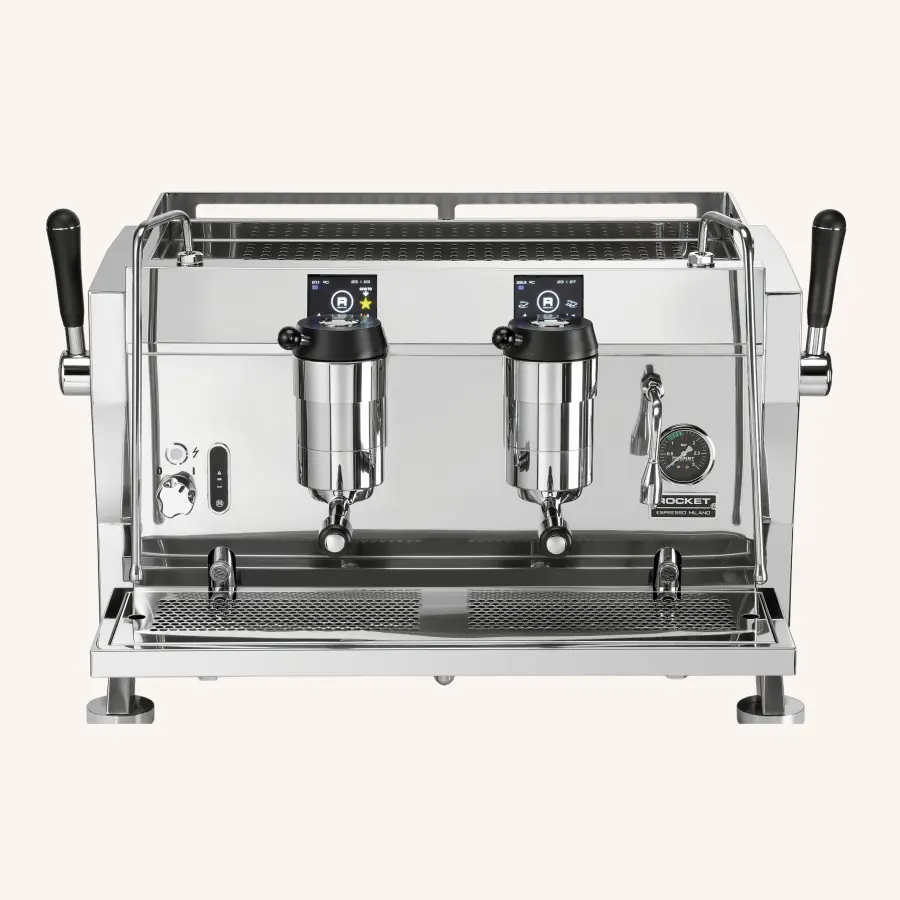
ROCKET
1kg of coffee free + 10% discount coupon
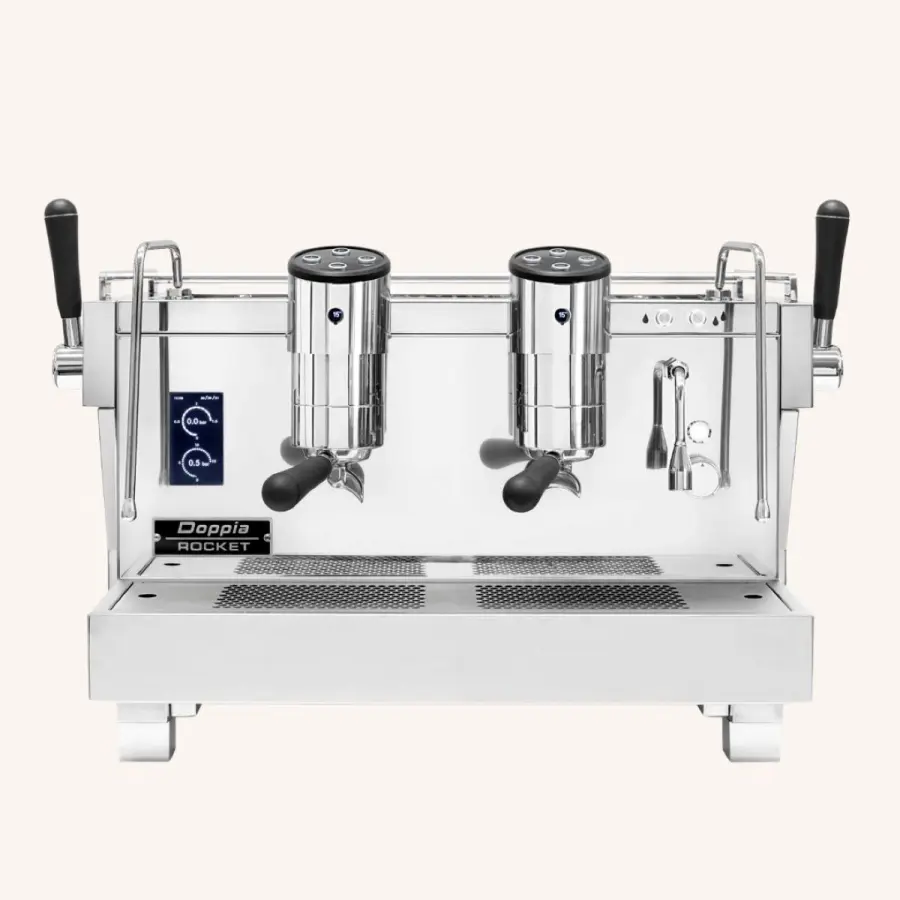
ROCKET
1kg of coffee free + 10% discount coupon
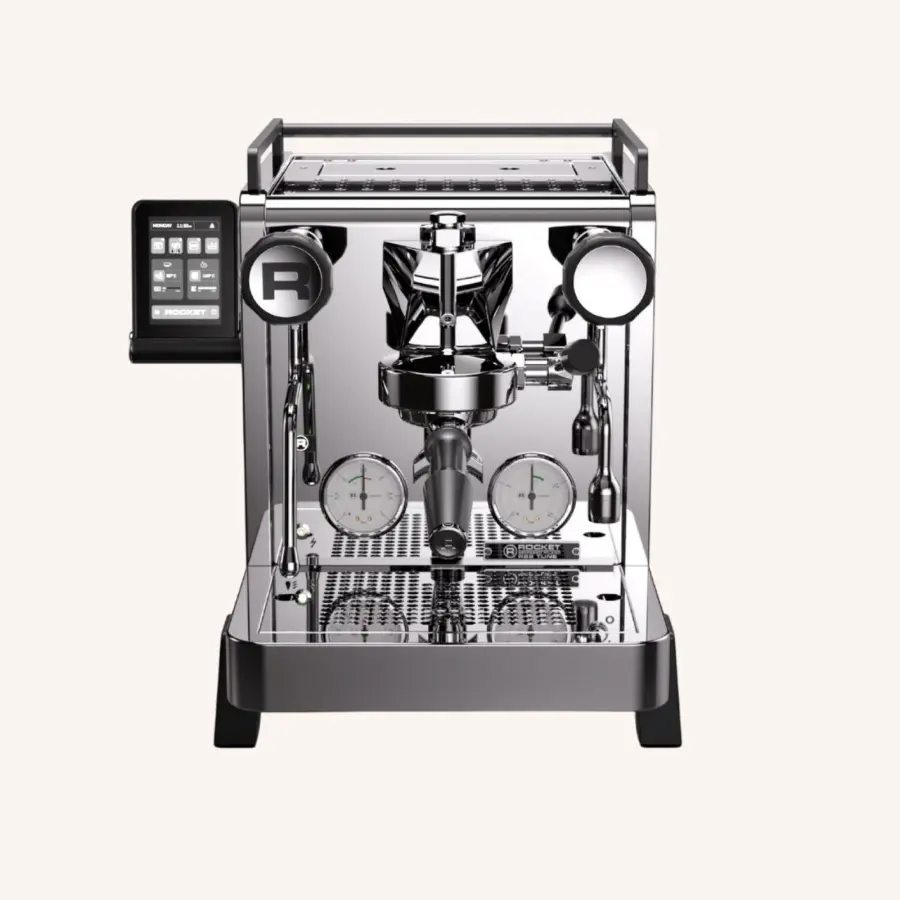
ROCKET
1kg of coffee free + 10% discount coupon
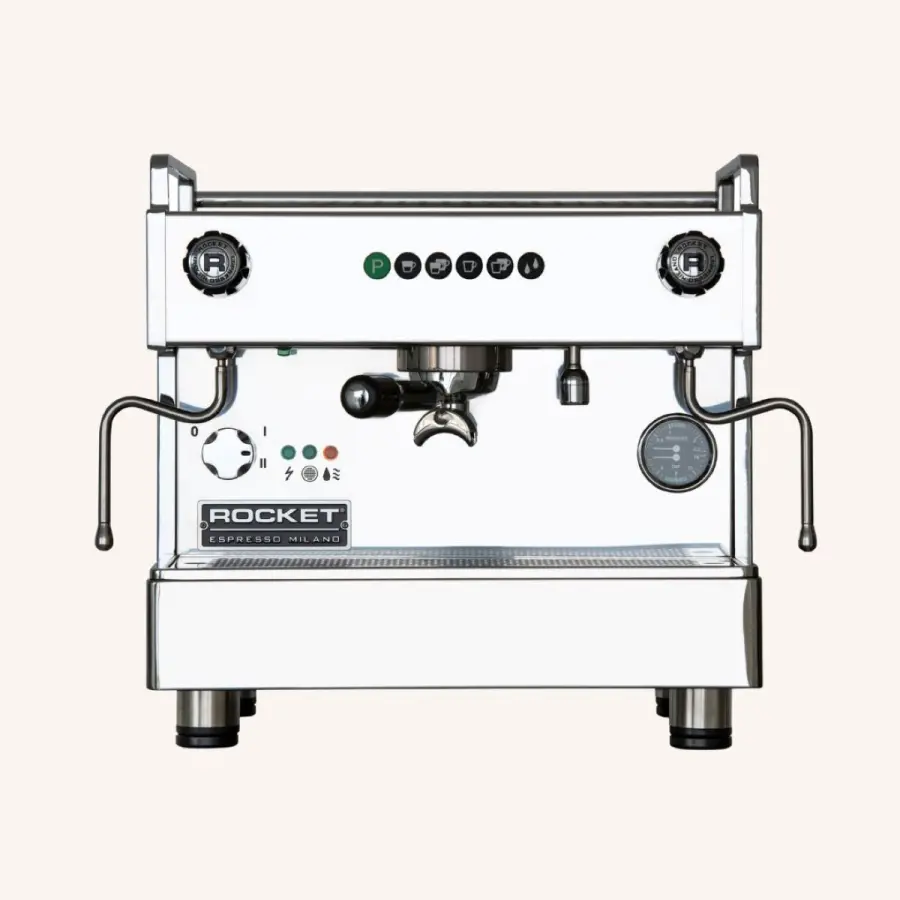
ROCKET
1kg of coffee free + 10% discount coupon
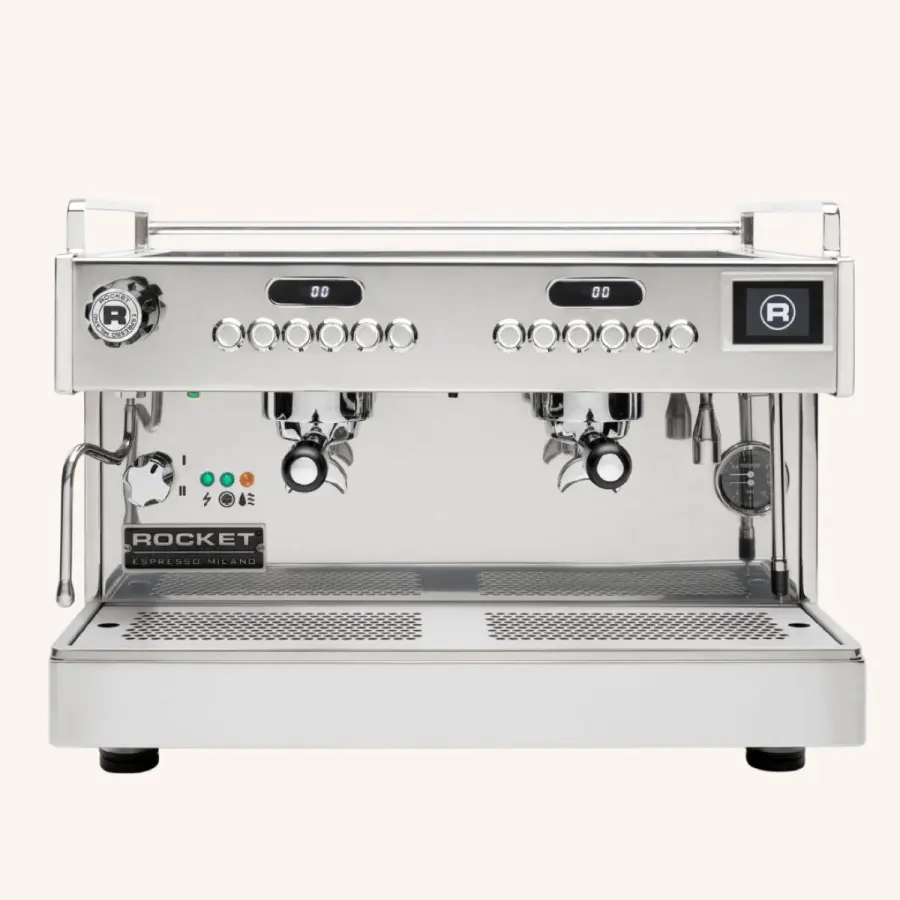
ROCKET
1kg of coffee free + 10% discount coupon
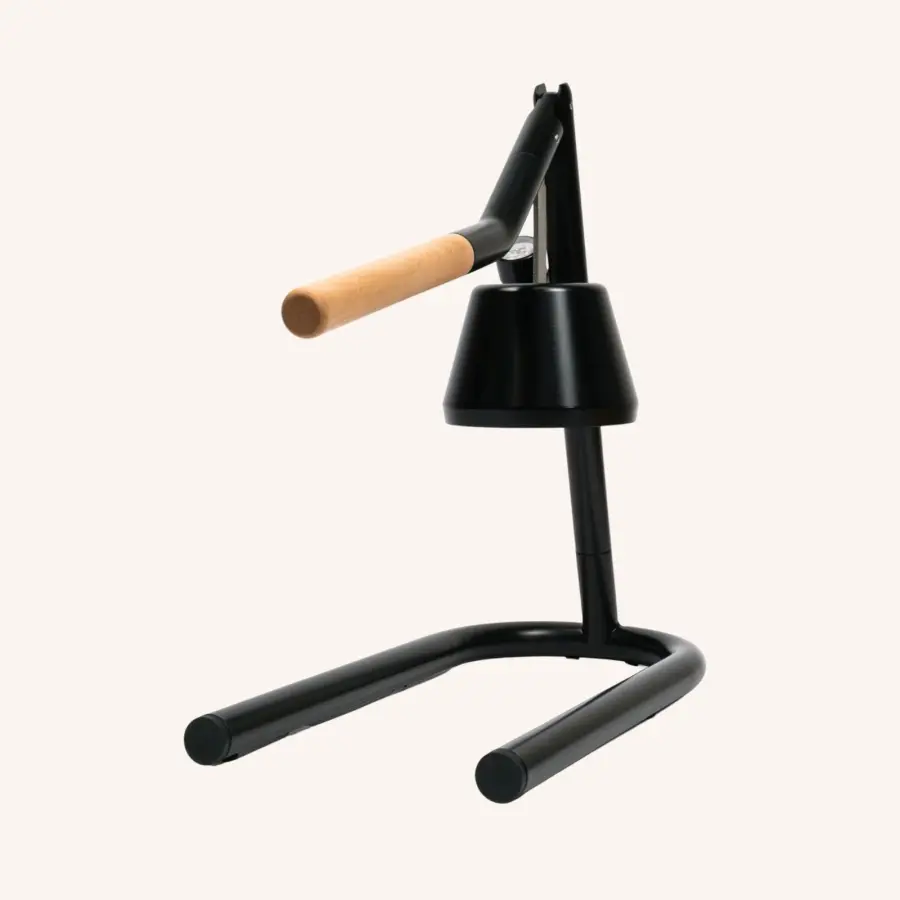
NEWTON ESPRESSO
1 free coffee + €10% gift card
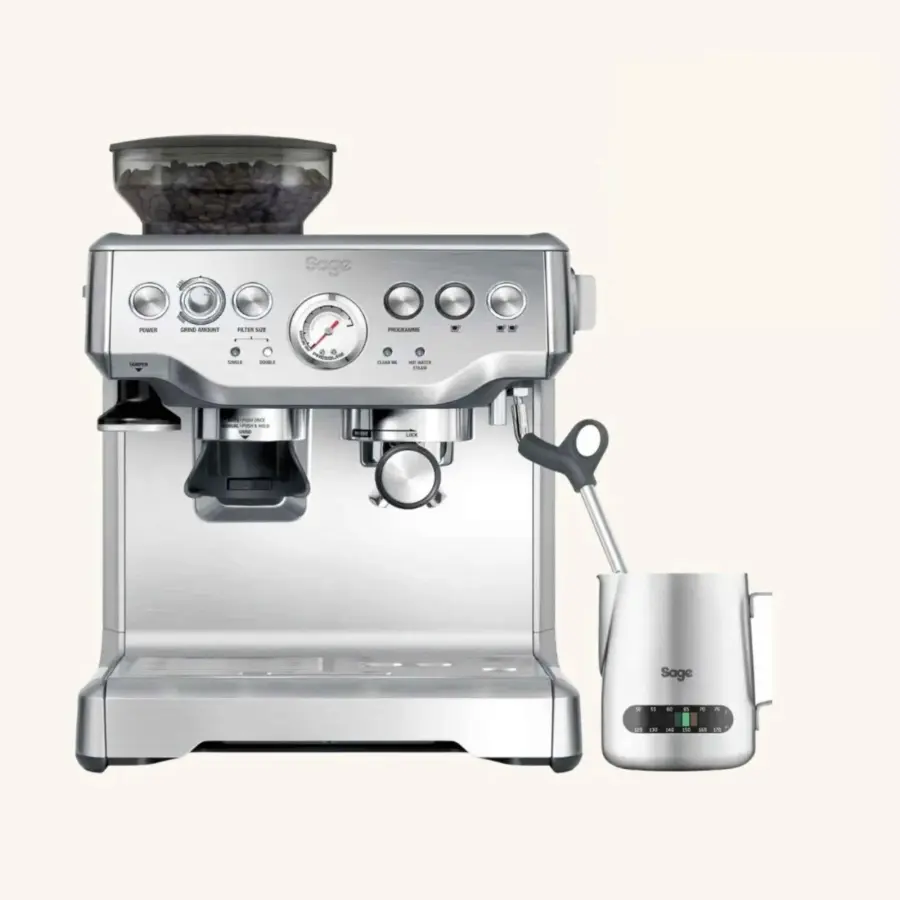
SAGE
15% gift voucher
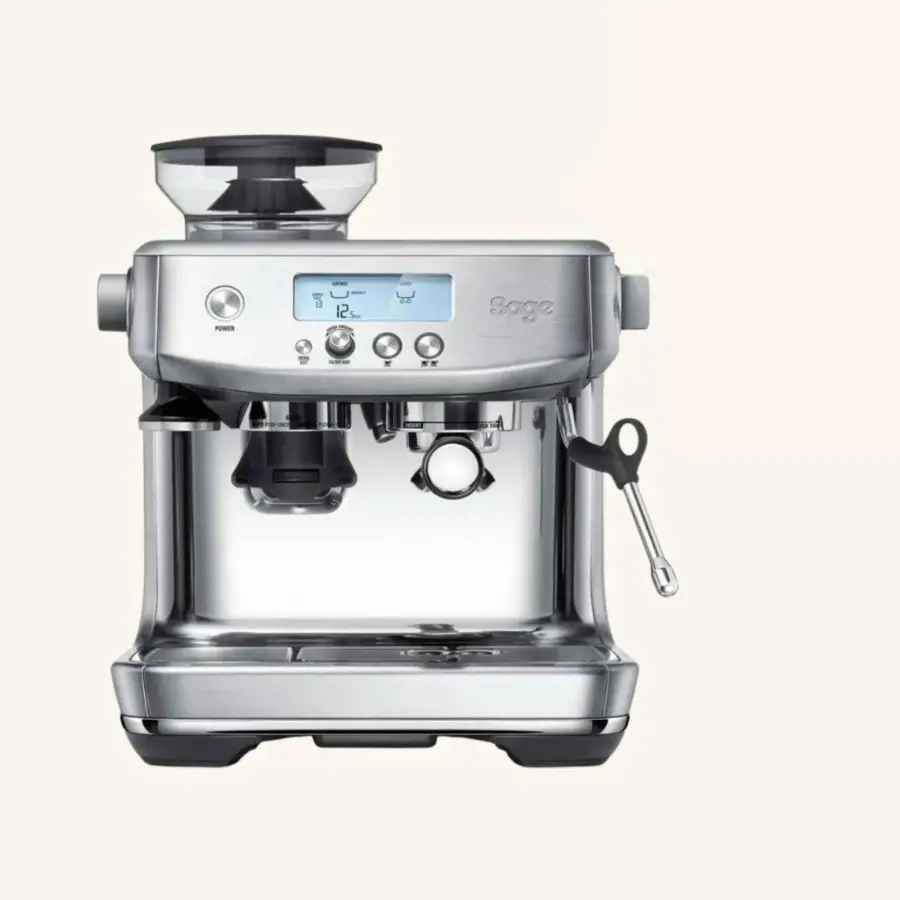
SAGE
15% discount voucher
SAGE
15% gift voucher
SAGE
15% voucher
SAGE
15% discount voucher
SAGE
15% discount voucher
SAGE
15% discount voucher
SAGE
15% discount voucher
SAGE
15% discount voucher
SAGE
15% discount voucher
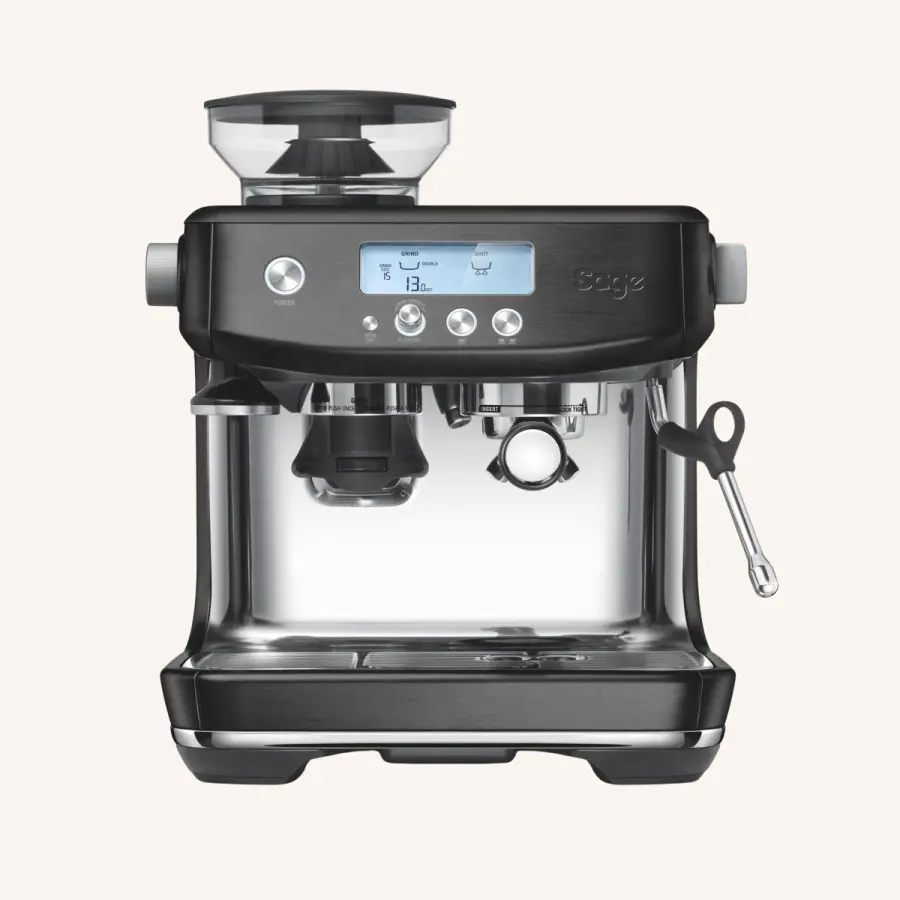
SAGE
15% discount voucher
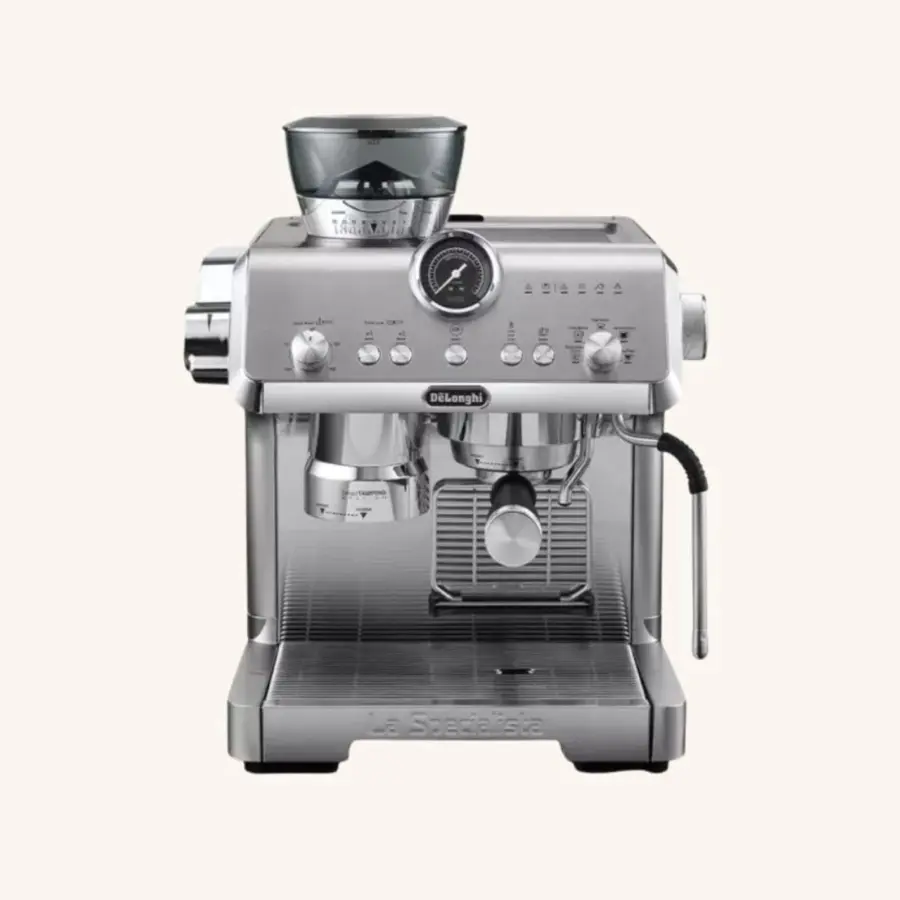
DE'LONGHI
20% refunded when you buy the machine
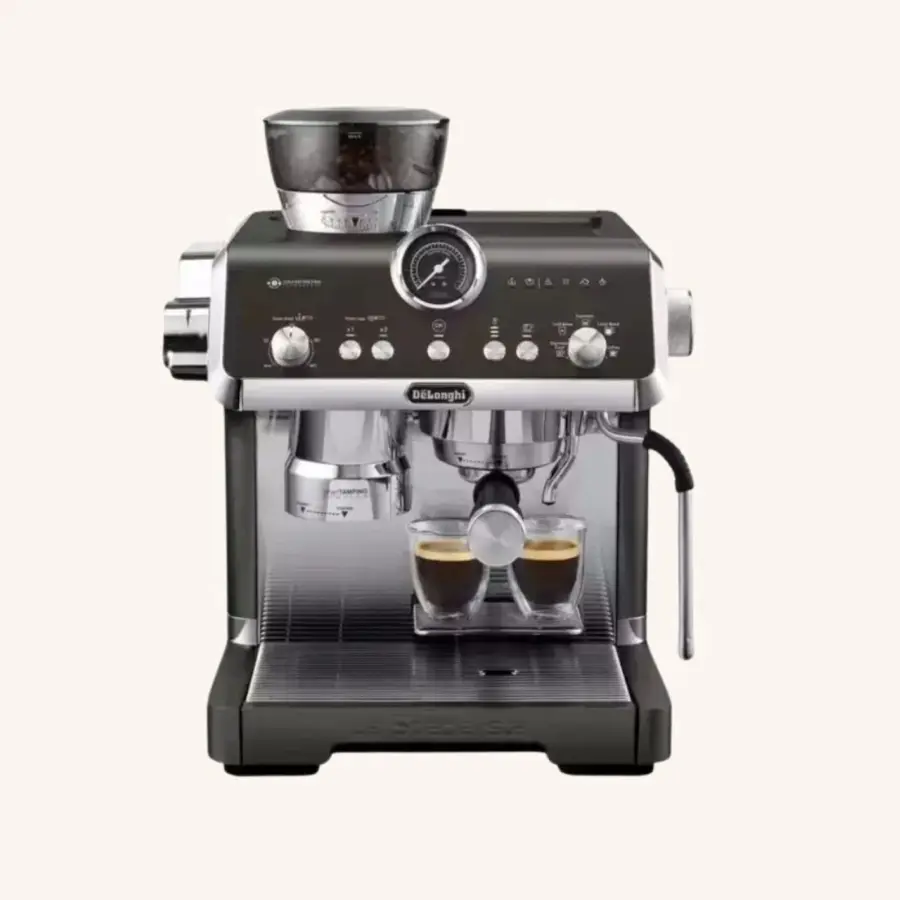
DE'LONGHI
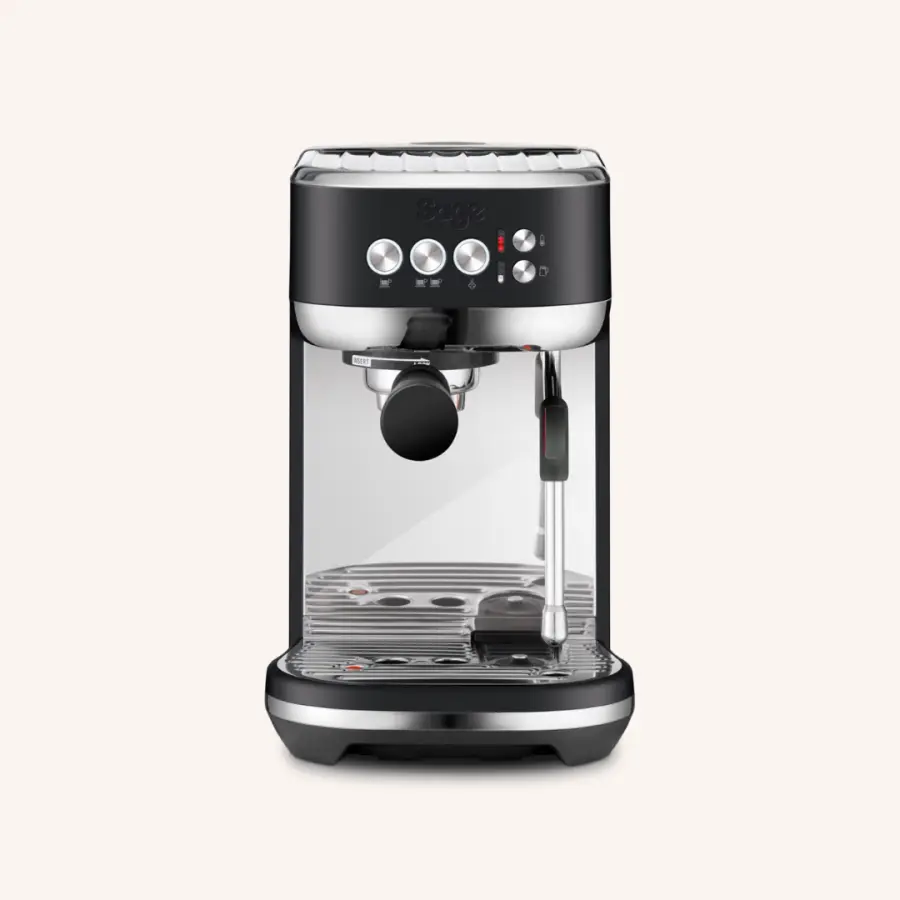
SAGE
15% gift voucher
SAGE
15% gift voucher
SAGE
15% gift voucher
SAGE
15% gift voucher
SAGE
15% gift voucher
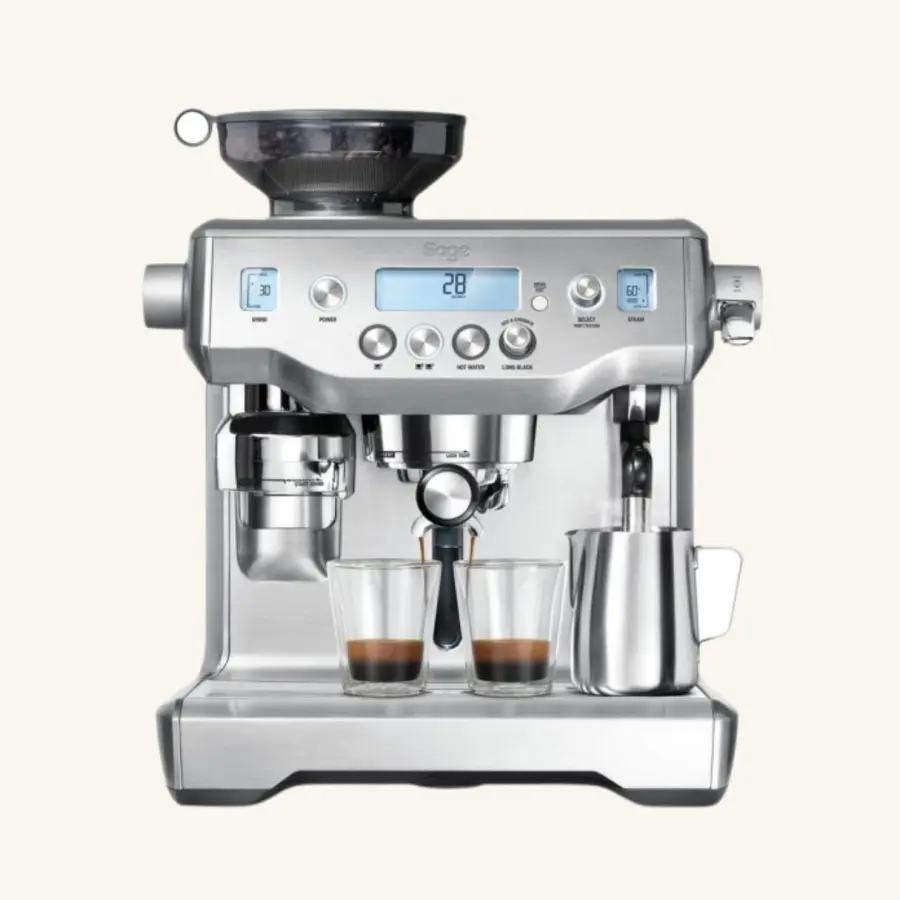
SAGE
15% gift voucher
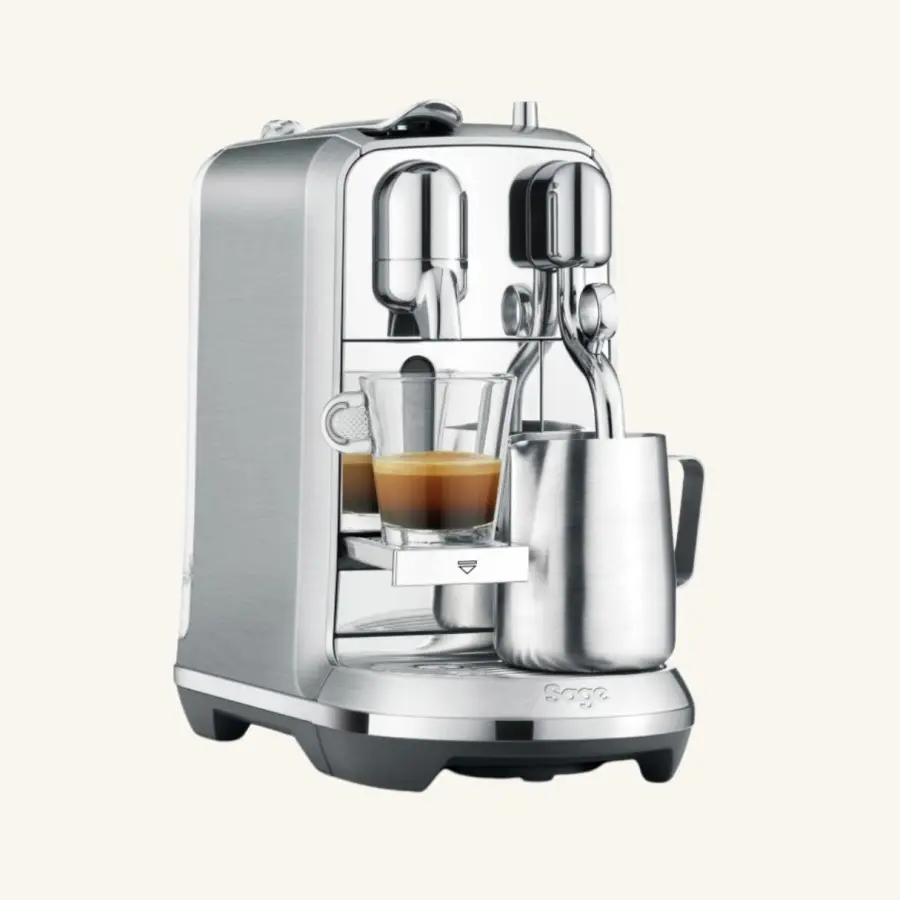
SAGE
15% gift voucher
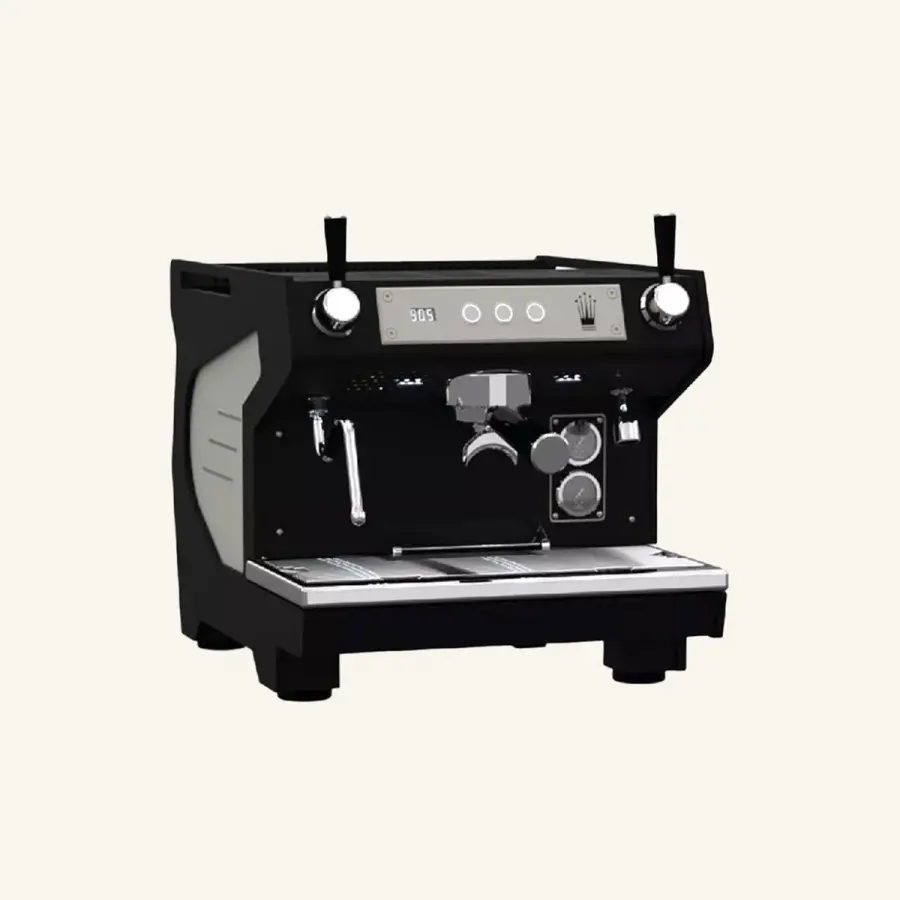
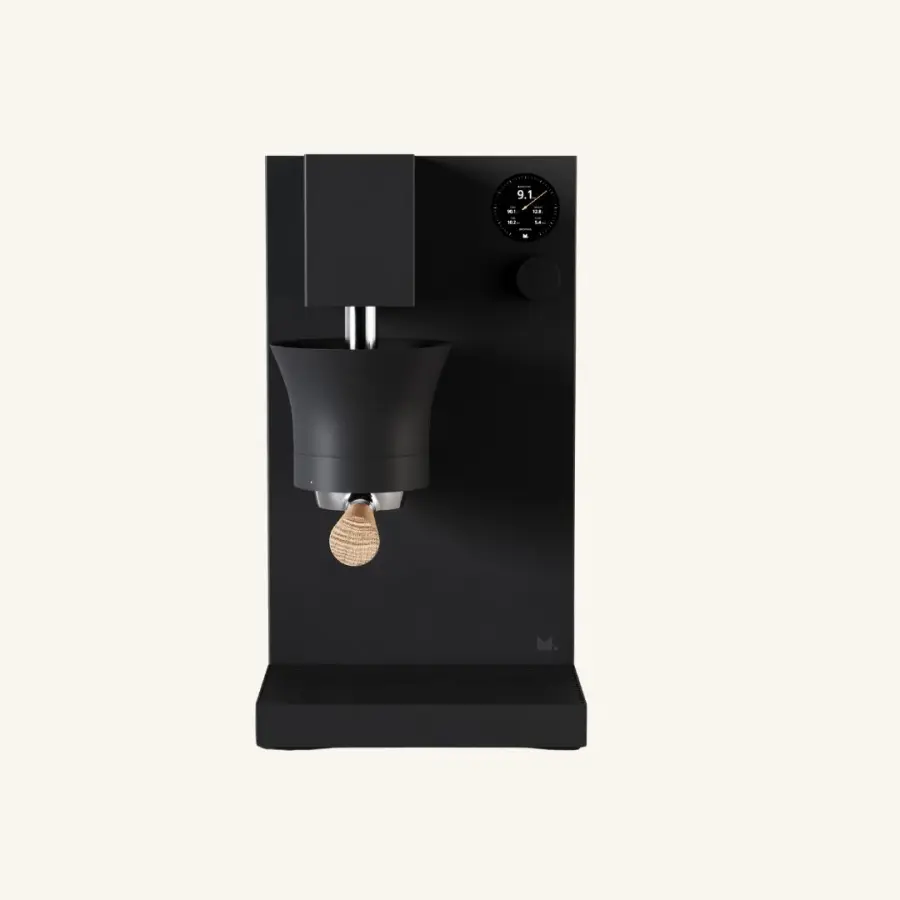 new
new The espresso machine market can be divided into several main categories, each suited to a different type of coffee drinker. Before choosing a model, there are two key questions to consider: how involved do you want to be in preparing your coffee, and which format do you use – whole beans, ground coffee or pods?
These machines are a popular choice among specialty coffee enthusiasts and home baristas. They use ground coffee that is distributed and tamped into a portafilter before hot water is pushed through the coffee under pressure to produce a concentrated, aromatic espresso. During extraction, the pressure at the coffee puck is typically around 9 bars.
This type of equipment gives you extensive control over the main brewing variables, including grind size, dose, distribution, tamping, temperature and extraction time. This level of control makes it possible to adjust the recipe precisely and bring out the complexity of a carefully roasted specialty coffee.
These machines are also generally equipped with a steam wand for texturing milk and preparing milk-based drinks such as cappuccinos and flat whites. They require some practice, but this hands-on approach is also what makes them particularly appealing to coffee enthusiasts.
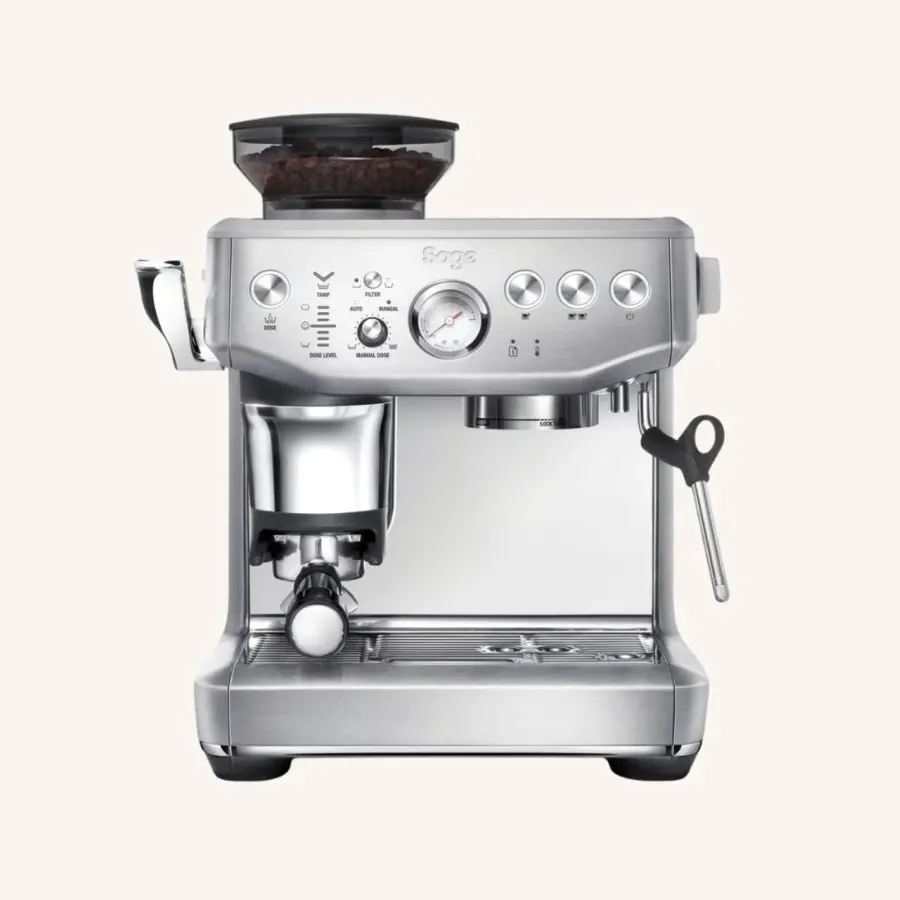
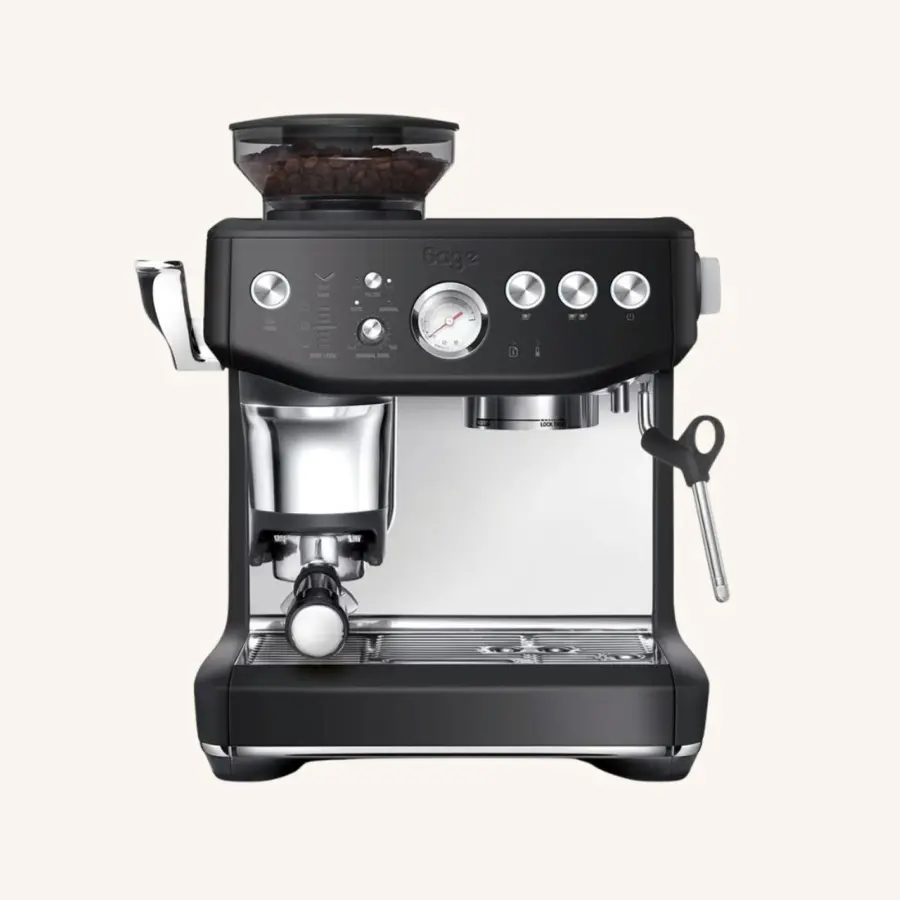
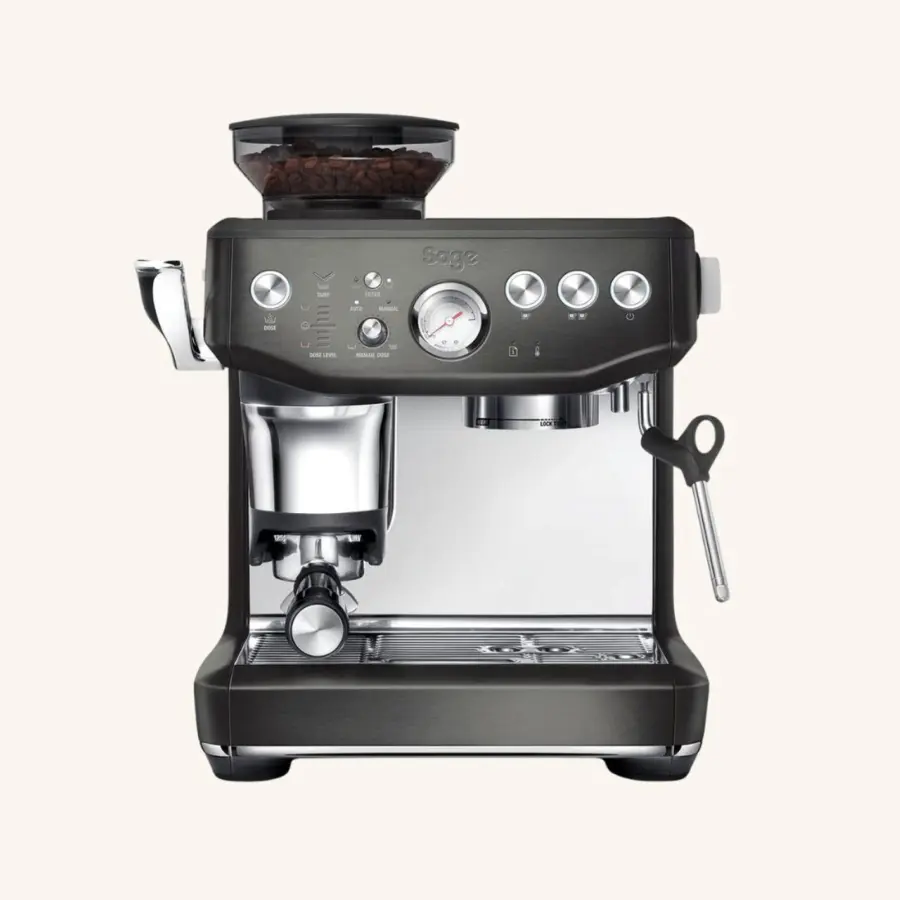
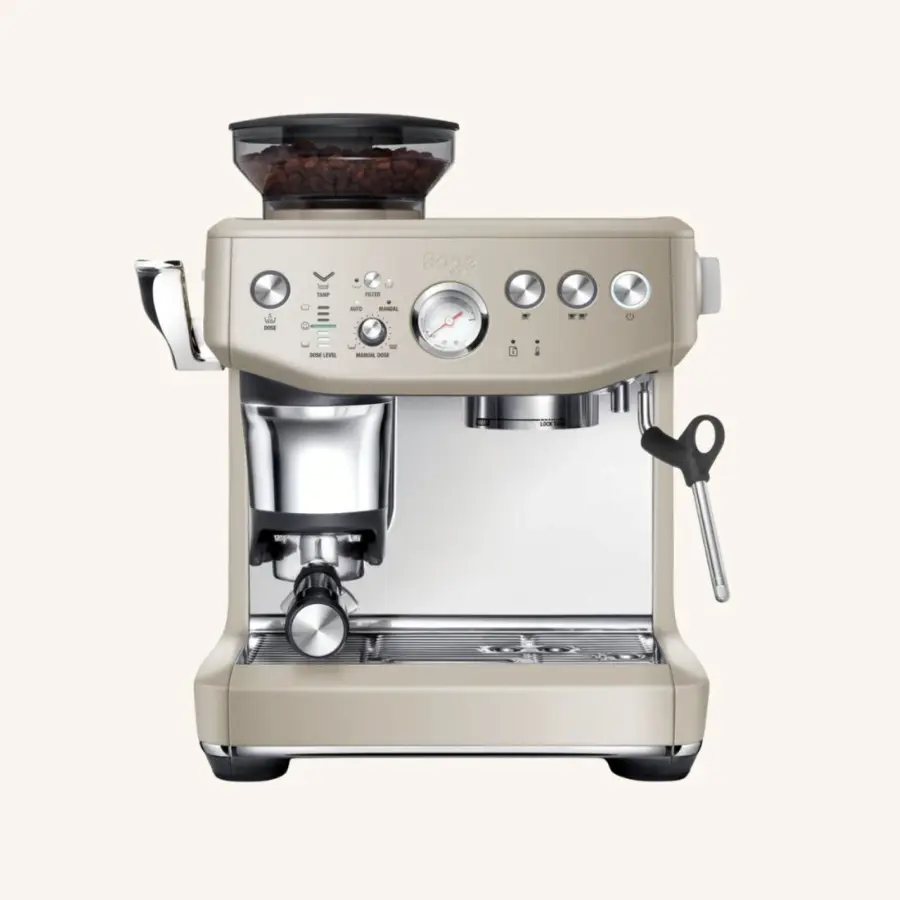
Some espresso machines include a built-in grinder, allowing coffee beans to be ground immediately before extraction. Grinding just before brewing helps preserve the coffee's aromatic qualities while making everyday preparation more convenient.
Well-known examples in this category include De'Longhi models such as the La Specialista range, which combines a built-in grinder with adjustable brewing settings designed to give users greater control over espresso preparation.
For those who prefer a separate grinder, this setup can provide even greater flexibility when adjusting grind size and other brewing parameters. It is a popular approach among home baristas who want more precise control over their espresso recipe.
Espresso machines are available with different levels of automation. With a semi-automatic espresso machine, the user prepares the coffee in the portafilter and controls part or all of the extraction process, depending on the model.
Fully automatic or bean-to-cup coffee machines, on the other hand, automate most of the preparation process, from grinding the beans to brewing the coffee. Many models also include a water tank, coffee grounds container and either a steam wand or an integrated milk system for preparing milk-based drinks.
Some De'Longhi machines offer a wide range of adjustable settings while remaining accessible to users who want more control without having to manage every stage of preparation manually.
A successful espresso depends on the balance between several brewing variables. During a traditional espresso extraction, hot water passes through the compacted coffee bed in the portafilter at approximately 9 bars of pressure. The resistance created by the coffee depends largely on grind size, dose and puck preparation.
A grind that is too coarse can cause the water to pass through the coffee too quickly, often resulting in a thin, under-extracted cup. A grind that is too fine can restrict the flow excessively and lead to an unbalanced extraction.
This is why a quality coffee grinder is just as important as the espresso machine itself. Both conical and flat burr grinders can deliver excellent results when they provide the consistency and precise adjustment required for espresso.
The quality of the coffee itself remains the starting point. Fresh, carefully roasted specialty coffee with clear traceability provides the aromatic potential that your grinder, machine and brewing technique can then reveal in the cup.
All espresso machines require regular maintenance. The group head and portafilter should be kept clean and rinsed regularly to prevent coffee oils and residues from affecting the flavour of your espresso.
Descaling should be carried out according to the hardness of your water and the machine manufacturer's recommendations. The steam wand should also be purged and wiped immediately after steaming milk to prevent milk residue from building up.
These simple maintenance routines help preserve the performance of your equipment and maintain consistent espresso quality over time.
Fully automatic machines often include automatic cleaning programmes and descaling alerts, making routine maintenance easier. However, removable components and milk systems should still be cleaned according to the manufacturer's instructions.
Still unsure which model is right for you? Explore our selection above or discover our complete range of coffee makers and equipment to find the equipment that best suits the way you prepare and enjoy coffee.
A manual or semi-automatic espresso machine requires you to grind, dose and prepare the coffee in the portafilter before extraction. Depending on the machine, you may also control when the extraction starts and stops.
A fully automatic coffee machine handles most of these steps automatically, typically grinding the beans, dosing the coffee and brewing the drink at the touch of a button. Manual machines provide greater control over the brewing process, while automatic machines prioritise convenience, consistency and speed.
Not necessarily. Some models include a built-in grinder, such as machines from the De'Longhi La Specialista range. However, if your espresso machine does not have an integrated grinder, a dedicated coffee grinder is strongly recommended.
Grinding coffee immediately before extraction and being able to adjust the grind size precisely can have a significant impact on espresso quality and consistency.
A traditional espresso is generally extracted at around 9 bars of pressure at the coffee puck. Some manufacturers advertise pump pressures of 15 or 19 bars, but these figures do not represent the pressure necessarily applied to the coffee during extraction.
With an appropriate dose and grind size, an extraction time of around 25 to 30 seconds is a useful starting point for a traditional espresso recipe. However, the ideal extraction ultimately depends on the coffee, dose, beverage yield and desired flavour profile.
Yes. Most portafilter espresso machines can be used with suitably ground pre-ground coffee. However, espresso is particularly sensitive to grind size, and coffee begins to lose aromatic intensity more quickly once it has been ground.
For greater control and freshness, grinding whole bean coffee shortly before extraction is generally preferable. Specialty coffees, with their distinctive origins, traceability and carefully developed roast profiles, are particularly well suited to this style of preparation.