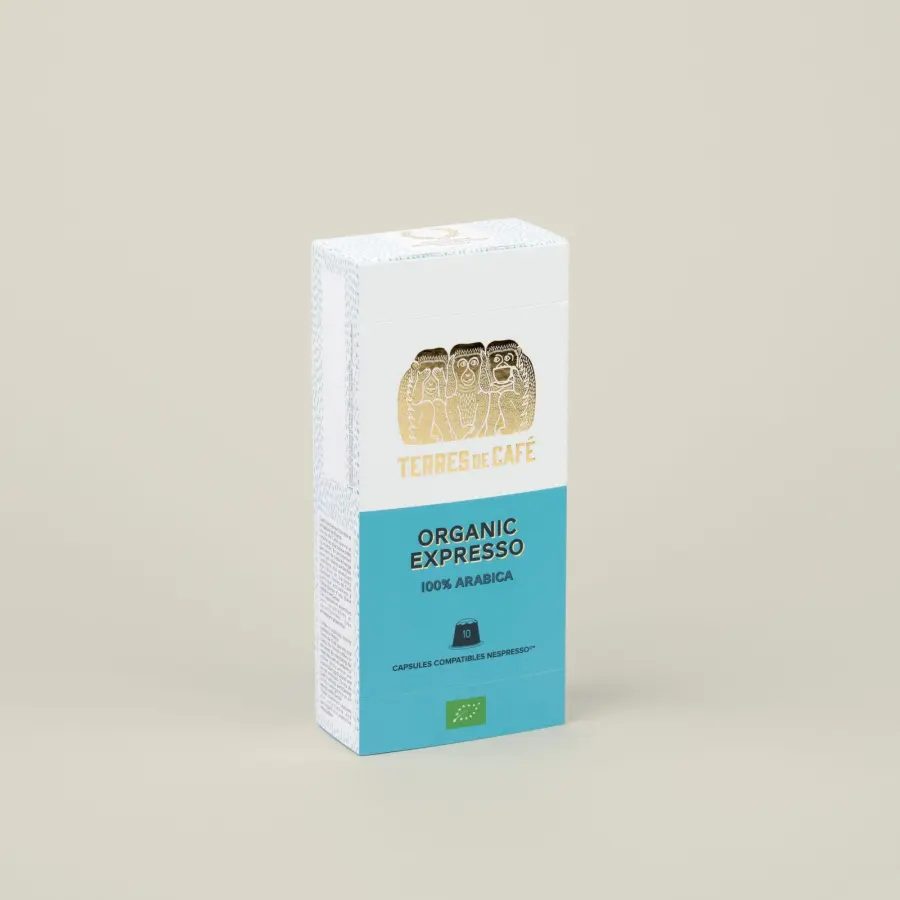
Price €6.50
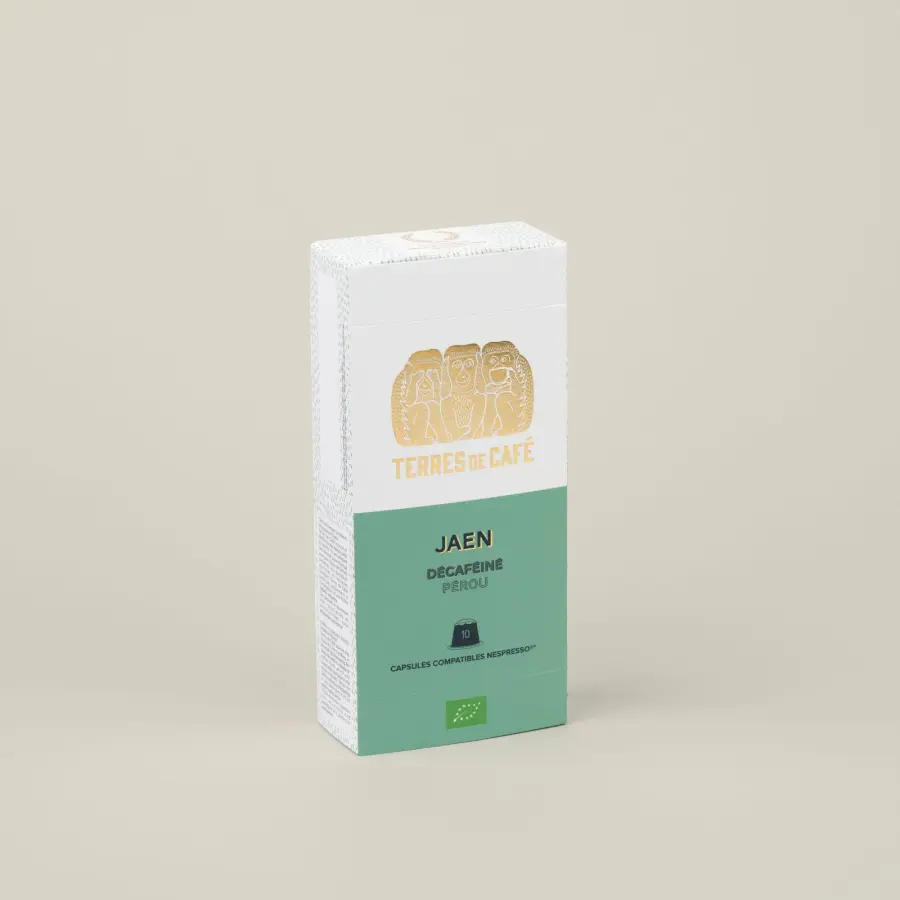
Capsules Organic Bio x 10
TERRES DE CAFE - 53g
Choosing your coffee capsules means deciding from the very start of the day what level of intensity you are looking for: a short, powerful espresso, a smooth and rounded lungo, or a gentler cup of coffee to enjoy during a quiet afternoon.
At Terres de Café, every coffee available in capsule format is artisanally roasted near Paris using carefully selected Arabica beans sourced from high-altitude terroirs around the world.
Whether you already enjoy whole bean coffee, ground coffee or organic coffee, and whatever your coffee machine, explore our range of coffee capsules and let the character of each terroir come to you.
There are 12 products.
TERRES DE CAFE - 53g
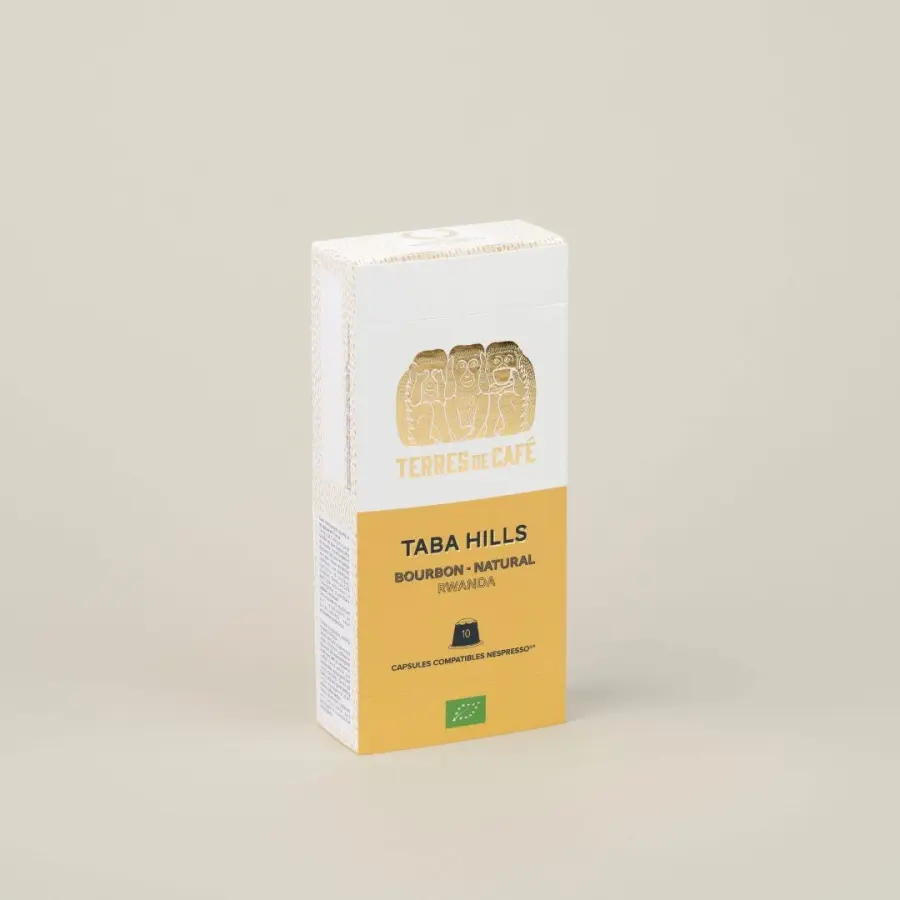
Rwanda - 53g
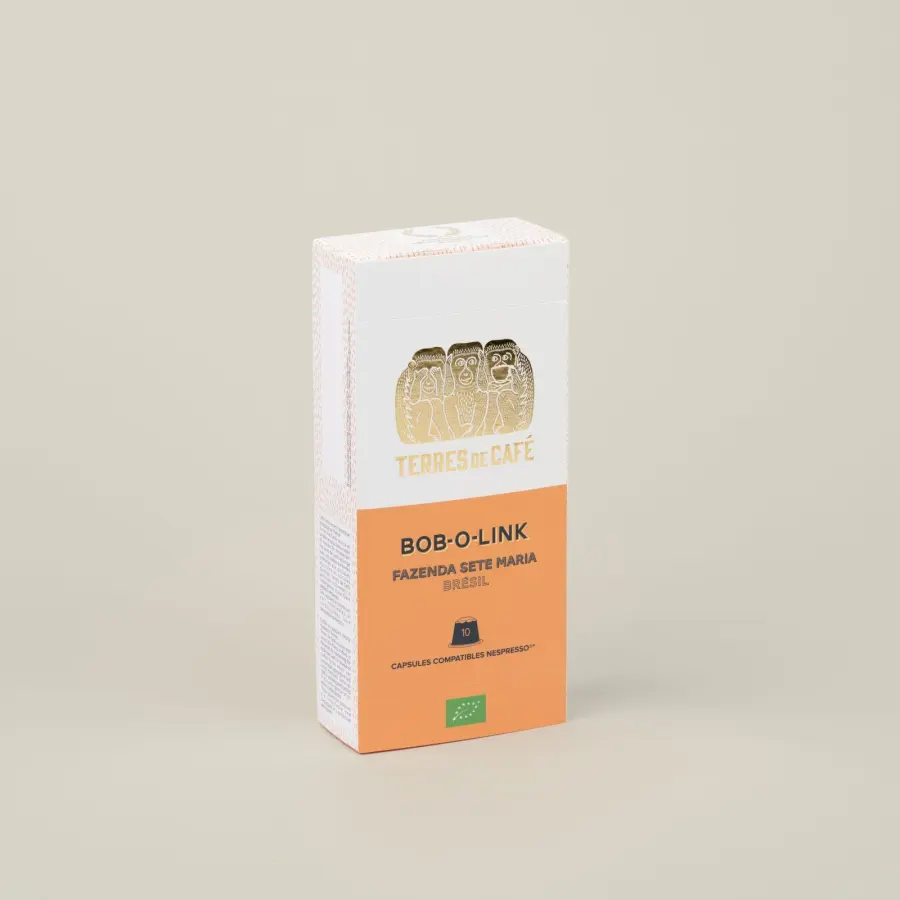
BRAZIL - 53g
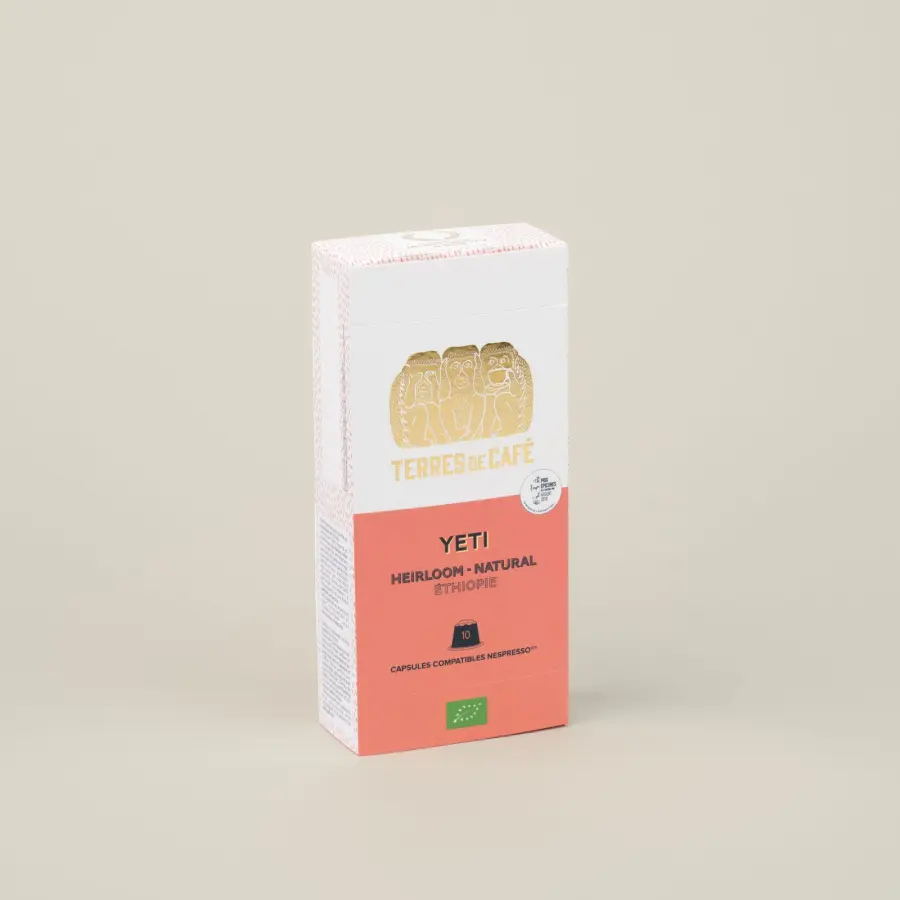
ETHIOPIA - 53g
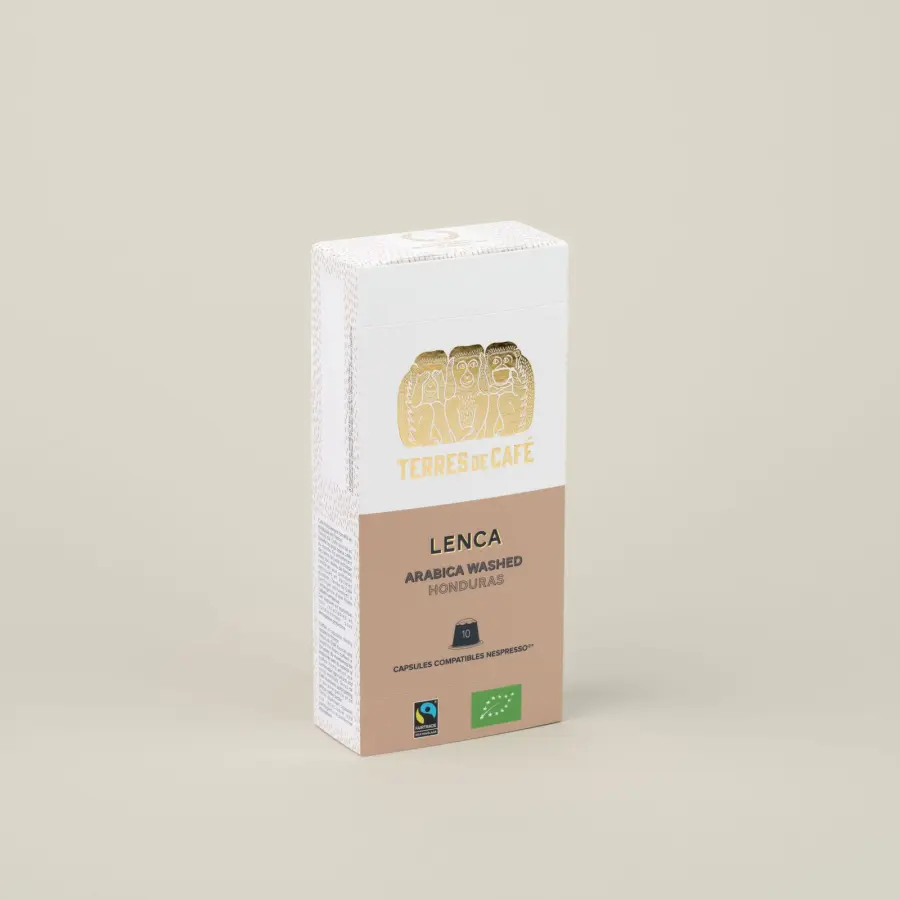
COLOMBIA
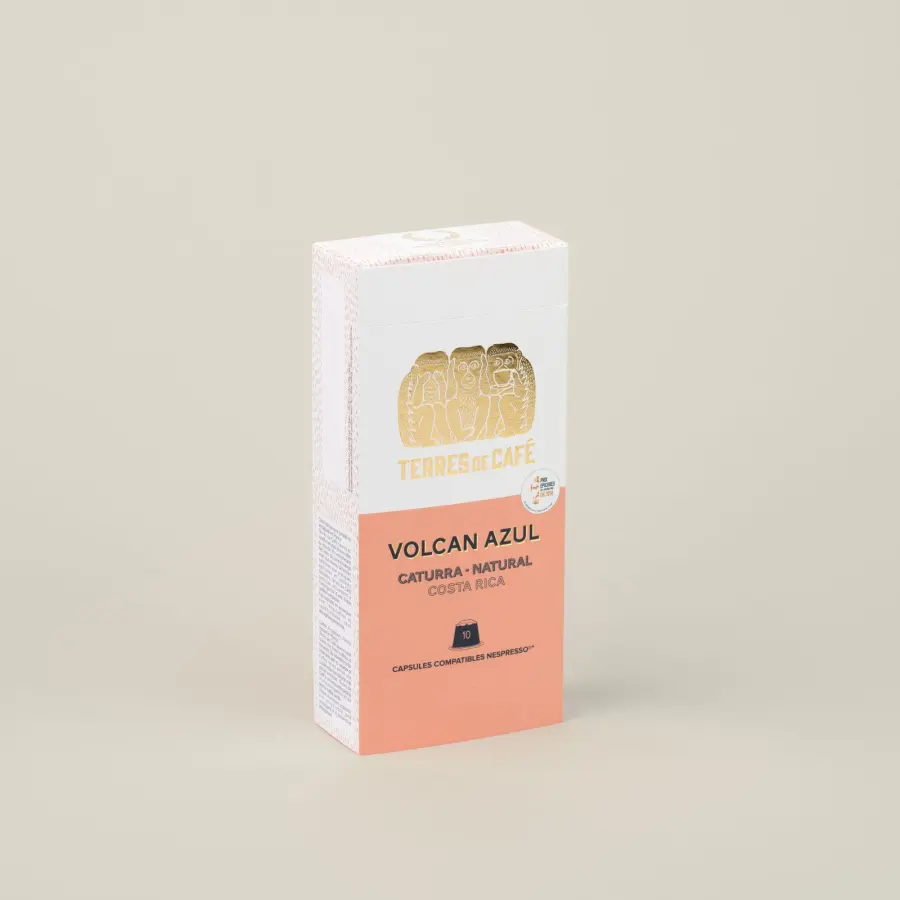
COSTA RICA - 250g
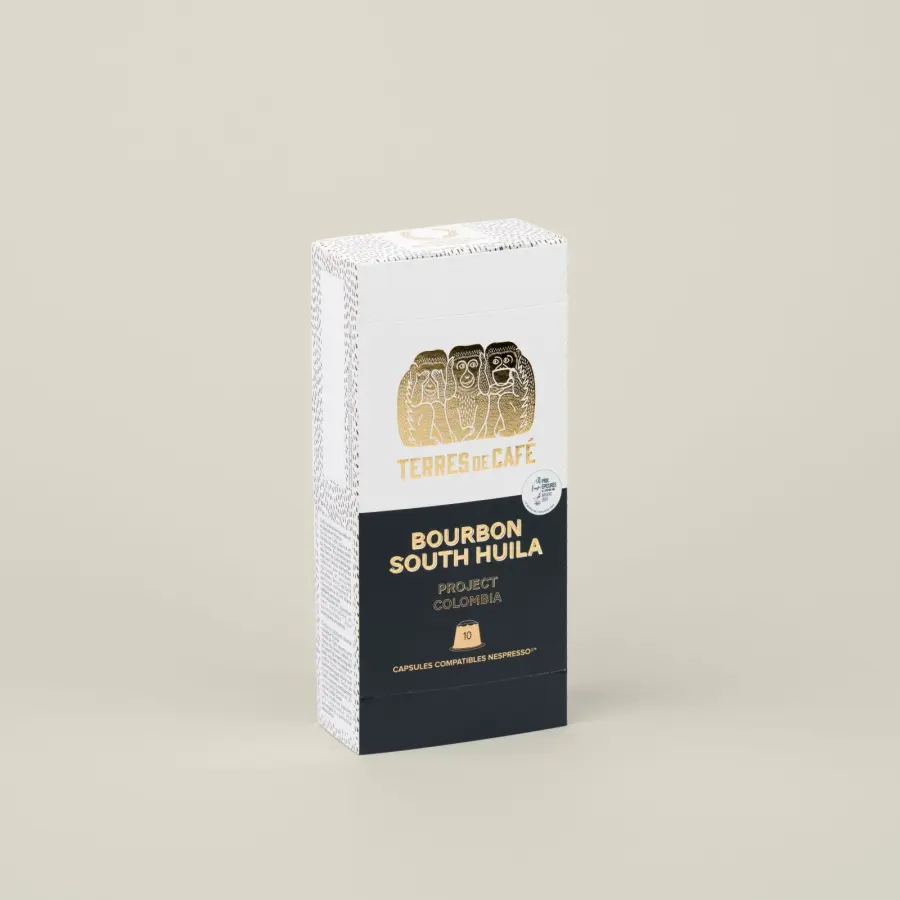
COLOMBIA
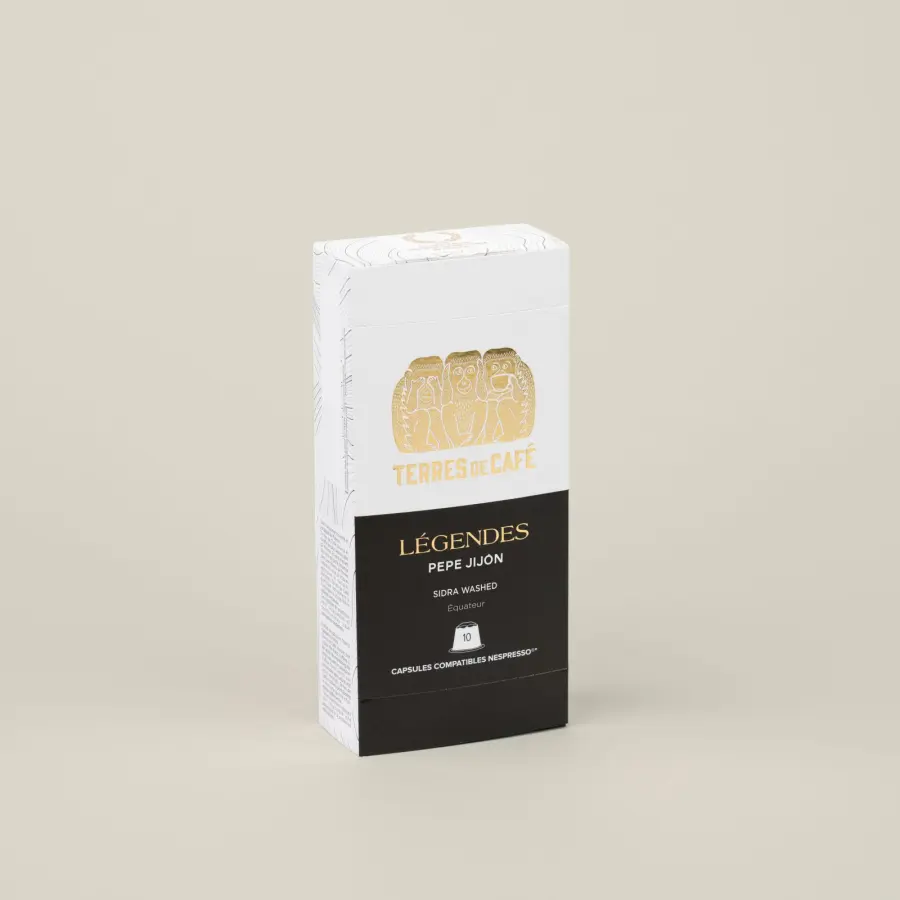 new
new Ecuador - 53g
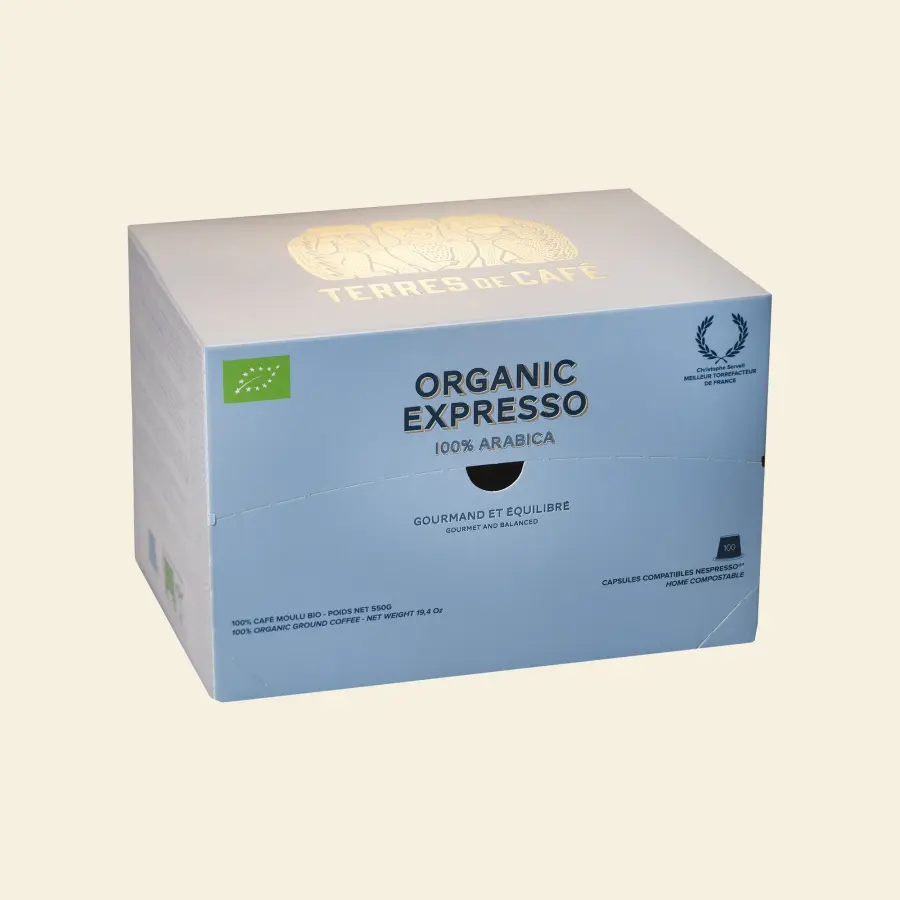
TERRES DE CAFE
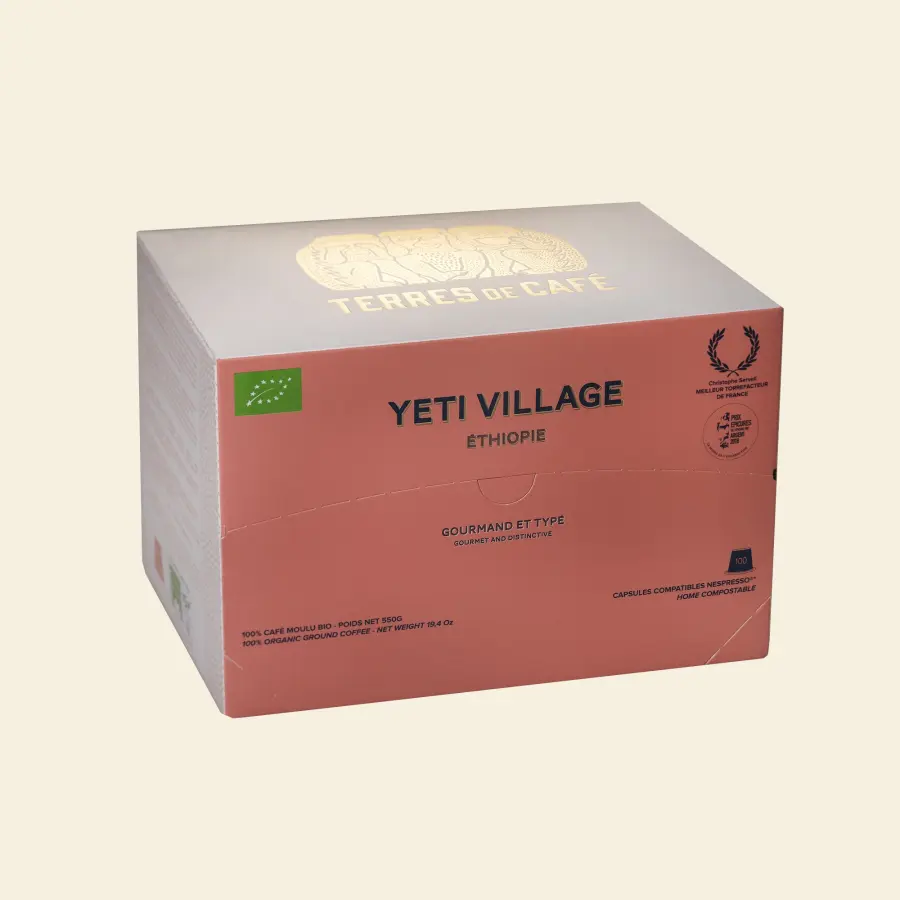
ETHIOPIA
A coffee capsule contains a single serving of ground coffee sealed in a protective atmosphere. It is designed to be inserted into a compatible coffee machine, which pierces the capsule and forces hot water through the coffee under pressure. Behind this apparent simplicity lie several design choices that can significantly influence the final result in the cup.
Aluminium, rigid plastic and compostable materials are among the main solutions used for coffee capsules, each with its own characteristics. Aluminium provides an effective barrier against oxygen, moisture and light, helping to preserve the coffee's aromas over time.
Rigid plastic capsules can provide reliable sealing and good resistance during handling. Some capsules also incorporate internal filters designed to regulate water flow during extraction and help achieve a more consistent result in the cup.
A soft coffee pod typically consists of ground coffee enclosed between layers of filter paper. It is designed for compatible lower-pressure coffee machines, such as Senseo systems. The result is generally a longer, lighter coffee with a different texture from espresso.
Rigid coffee capsules, by contrast, are generally designed for systems that use higher extraction pressure. Beyond pressure, the capsule design, amount of coffee, grind size, water temperature and extraction time can all influence the final flavour and texture of the drink.
Three main formats dominate the world of coffee capsules: espresso, lungo and ristretto. Each offers a different flavour profile, intensity and volume in the cup.
| Format | Cup Volume | Intensity | Typical Profile |
|---|---|---|---|
| Espresso | 25–40 ml | High | Rounded, full-bodied, creamy |
| Lungo | 80–110 ml | Moderate | Smooth, longer and aromatic |
| Ristretto | 15–20 ml | Very high | Concentrated, intense and powerful |
Espresso remains the classic reference for capsule coffee. A short extraction produces a concentrated cup with a dense texture and crema. The final result depends on several factors, including the coffee itself, grind size, capsule design and extraction settings of the machine.
A lungo uses more water to produce a longer and less concentrated cup. This format is ideal for coffee drinkers looking for a larger drink while still enjoying the aromatic character of the coffee.
With the right coffee and extraction parameters, a lungo can highlight delicate aromatic characteristics, particularly in certain Arabica coffees with floral and fruity profiles.
Less water and a shorter cup: the ristretto is designed for coffee lovers looking for maximum concentration and intensity. Its small volume creates a powerful sensory experience while highlighting the body and aromatic intensity of the coffee.
The environmental impact of a coffee capsule depends on several factors, including the material used, manufacturing process, transport, recycling infrastructure and how the capsule is disposed of after use.
Aluminium offers excellent protection for coffee but requires energy to produce and process. Plastic capsules have different manufacturing and recycling characteristics, while compostable coffee capsules can offer an alternative when suitable composting facilities and disposal conditions are available.
It is therefore important to consider the entire life cycle of a capsule rather than focusing solely on the material from which it is made.
In France, recycling solutions for used coffee capsules have expanded over recent years, with dedicated collection points and recycling schemes available for certain materials and capsule systems.
However, the effectiveness of these systems ultimately depends on collection, sorting and recycling practices. Checking the recycling instructions associated with each capsule is therefore essential to ensure that it enters the appropriate waste stream.
Alternatives such as compostable and refillable coffee capsules are helping to diversify the ways consumers can reduce waste associated with single-use coffee.
Refillable solutions can allow coffee lovers to choose their own specialty coffee, adjust the amount of ground coffee used and reuse the same capsule multiple times, depending on the machine and system.
At Terres de Café, our approach is centred on combining coffee quality with more responsible consumption choices. Because enjoying an exceptional espresso should also encourage us to consider the environmental impact behind every cup.