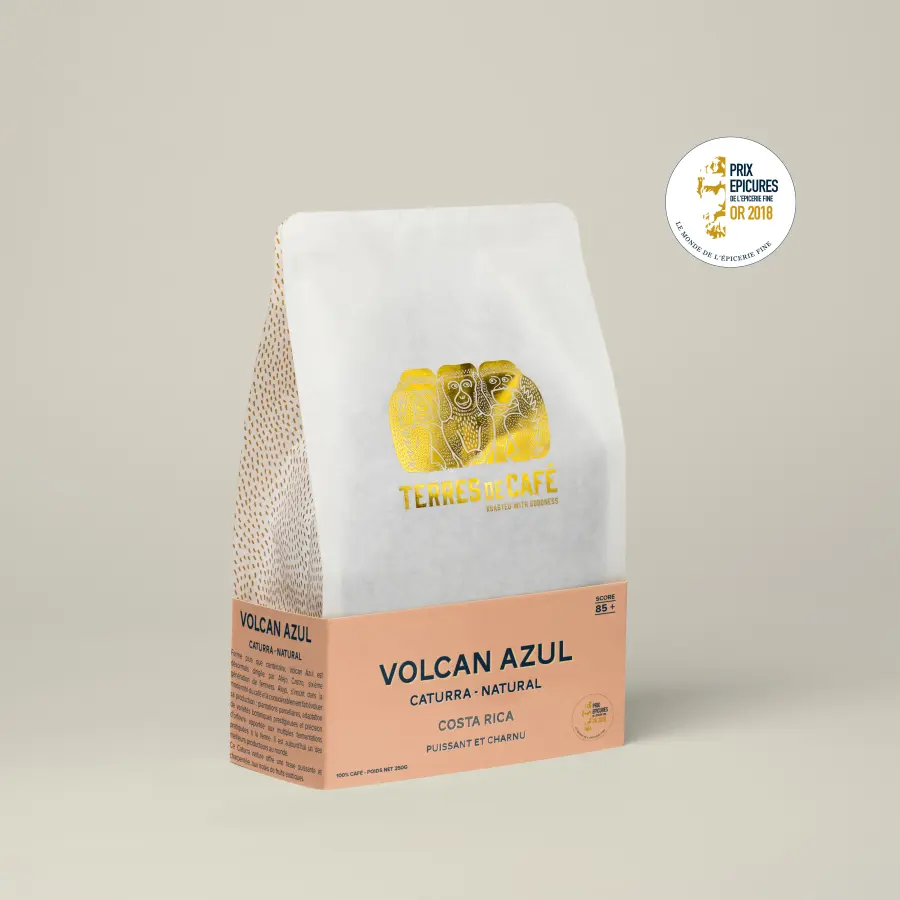
Price €19.90
Café Volcan Azul - Caturra
COSTA RICA - 250g
Fruity coffee is characterised by vibrant acidity and distinctive fruit notes that naturally develop from certain origins, varieties and processing methods, offering a different sensory profile from rounder, more chocolatey coffees. At Terres de Café, these fruity flavour profiles can be found in both single-origin coffees and carefully crafted blends designed to highlight their fruit-forward character, all artisanally roasted in the Paris region.
Prefer a rounder, more indulgent flavour profile? Discover our chocolatey coffees. Looking for something more delicate and aromatic? Explore our floral coffees. If you enjoy more distinctive spicy notes, discover our spicy coffees.
Curious about the Bourbon coffee variety? Explore our Bourbon+ coffee selection and discover the diversity of flavour profiles this renowned coffee variety can offer.
There are 8 products.
COSTA RICA - 250g
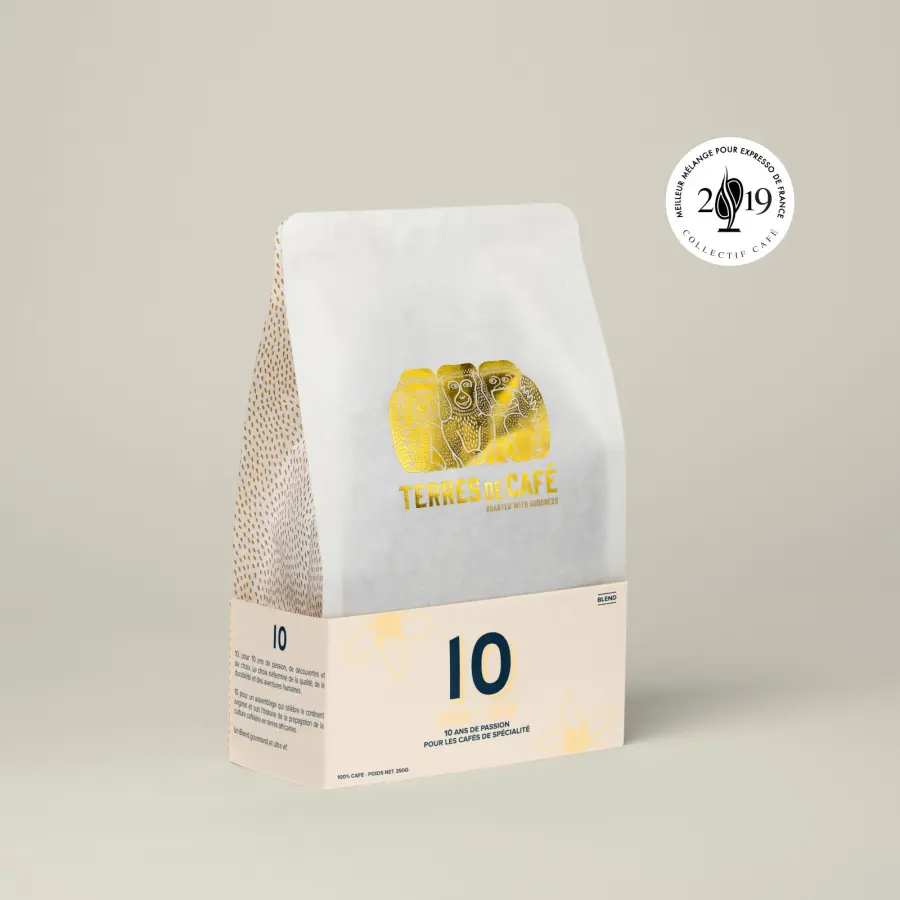
BLEND - 250g
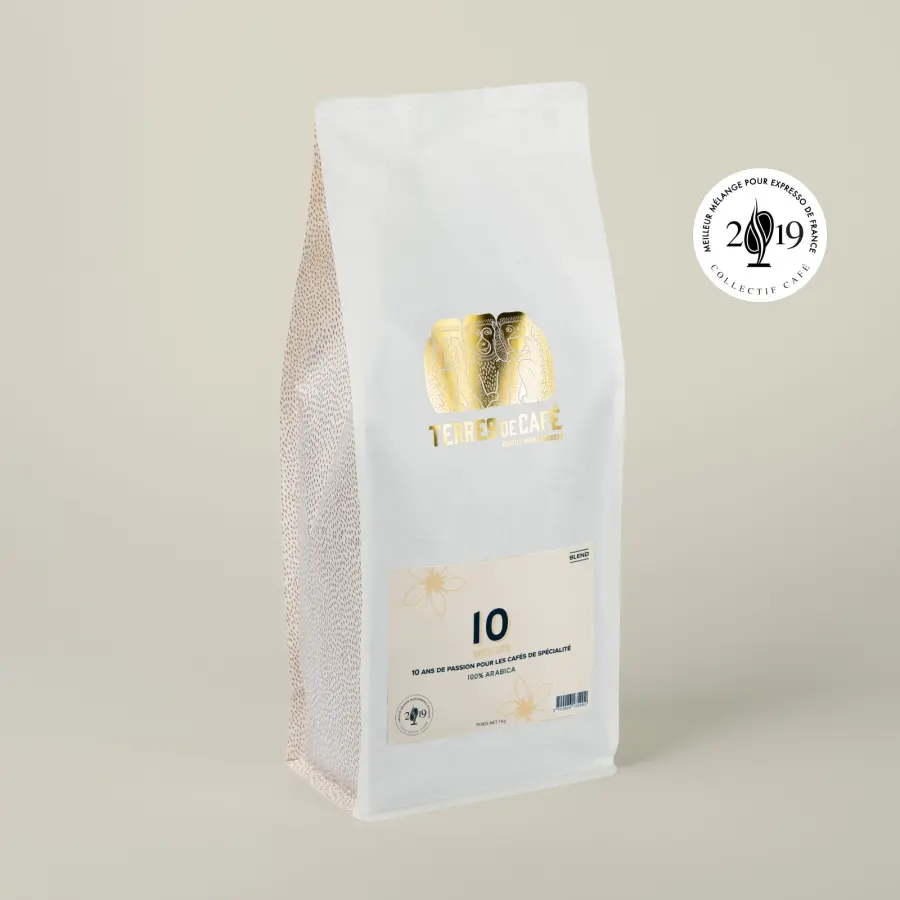
BLEND - 1kg
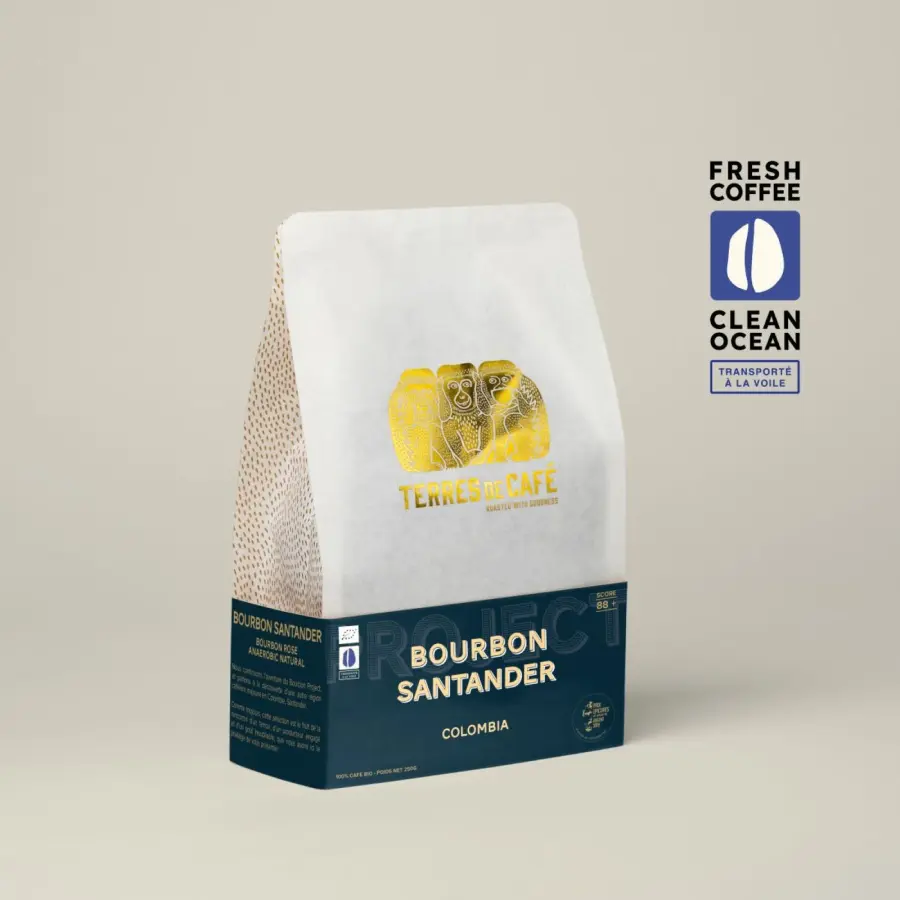
COLOMBIA - 250g
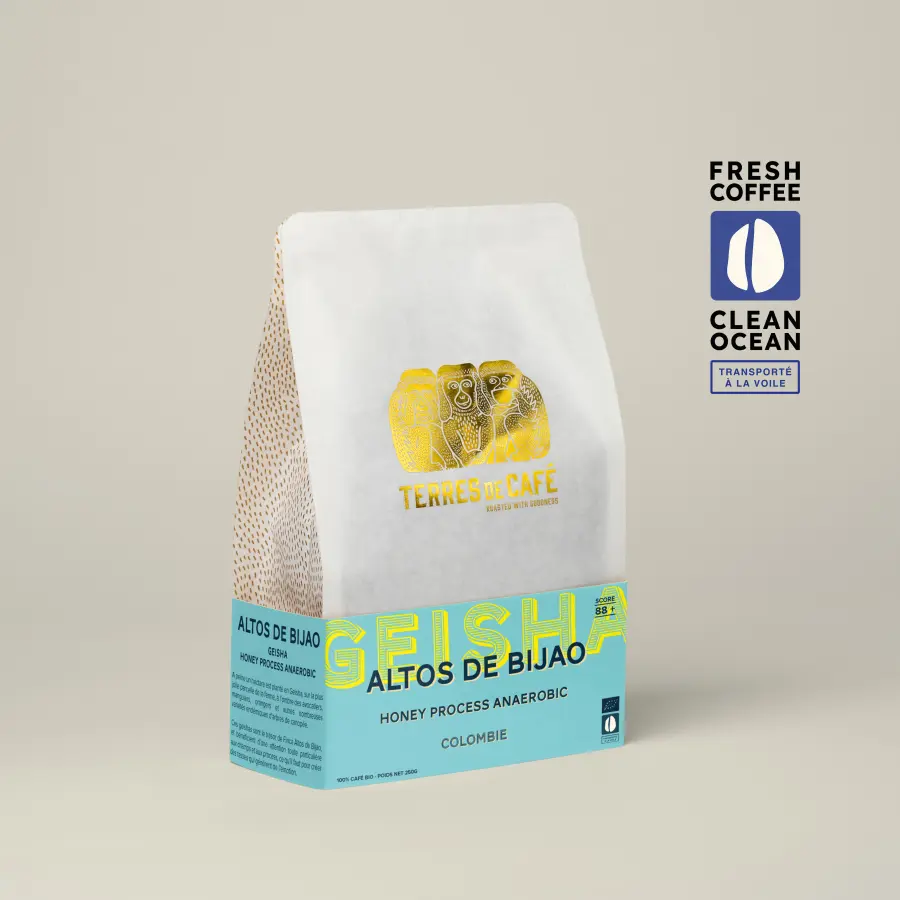
COLOMBIA - 250g
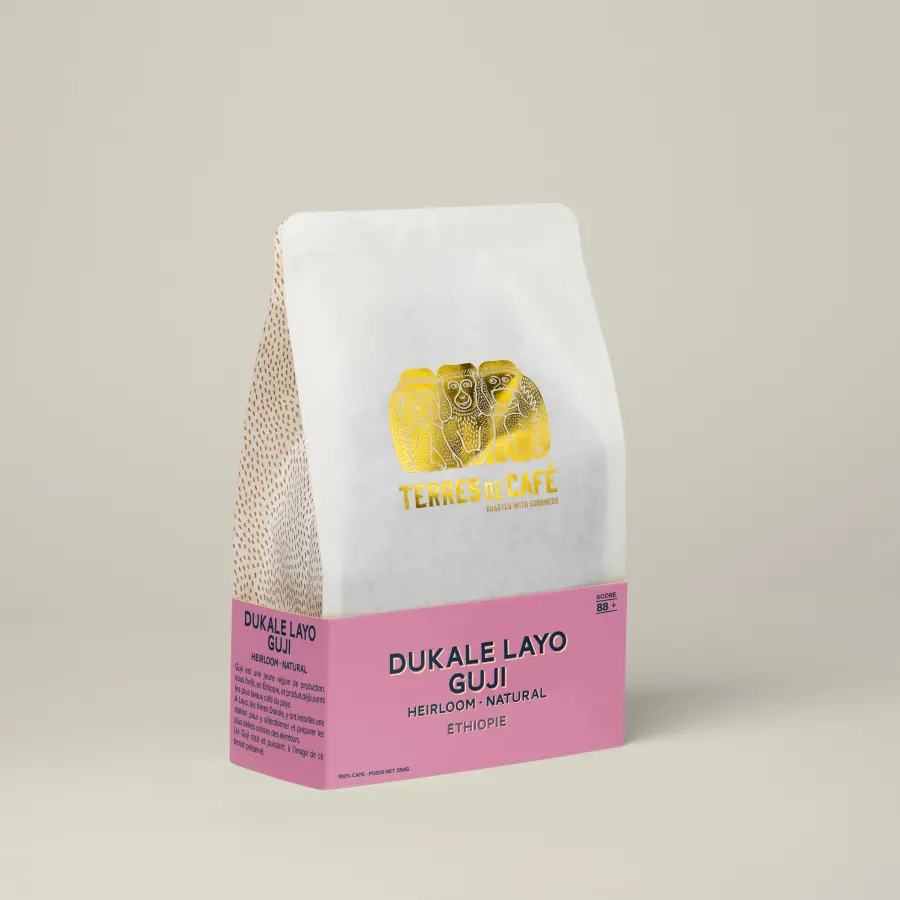
ETHIOPIA - 250g
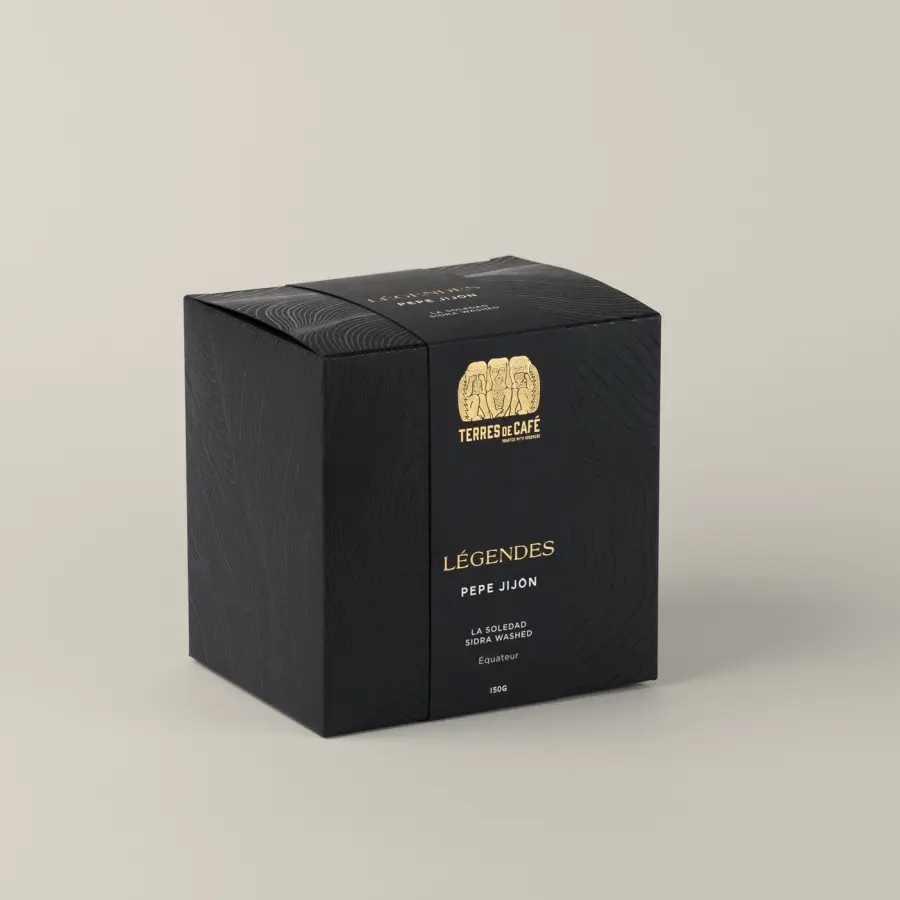
Ecuador - Sidra Washed
20g / 150g
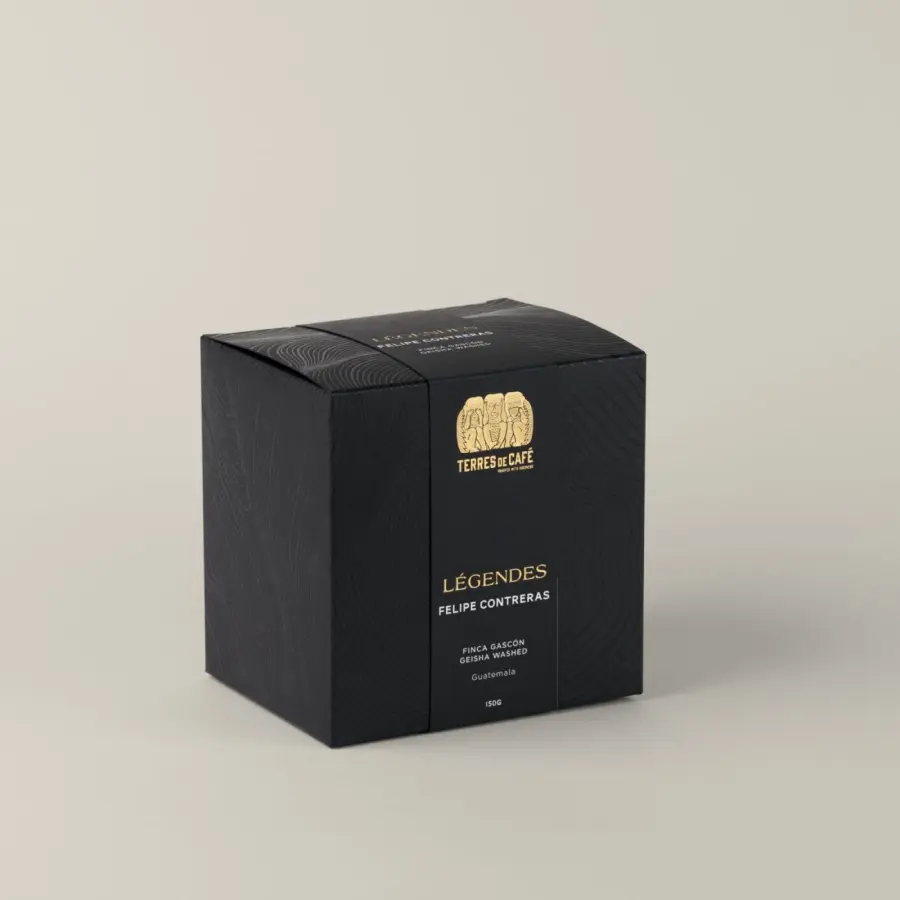
Guatemala - Geisha Washed "Geisha Del Bosque"
150g
On our product pages, the “Fruity” coffee profile describes the overall sensory character of the cup: distinctive fruit notes accompanied by vibrant acidity rather than a profile dominated by body or sweetness. This character results from a combination of factors, including the coffee's origin, botanical variety and processing method.
Our fruity coffees receive the same careful selection and artisanal roasting carried out in the Paris region as the rest of our range.
Choosing the right fruity coffee depends primarily on the style you are looking for: a single-origin coffee selected for its natural sensory profile or a blend specifically created to express a fruit-forward character.
These two coffees illustrate two different ways of creating a fruity coffee profile: a single-origin coffee selected for the characteristics of its terroir, and a blend carefully constructed to achieve a specific sensory result.
The fruity flavour of coffee develops through the interaction of several factors, including botanical variety, processing method and origin.
Certain varieties, including Caturra and Bourbon, can express distinctive fruit notes depending on their terroir and processing method. Natural and honey processes can often emphasise ripe fruit and sweetness, while washed coffees may produce particularly clean, bright and precise fruit profiles.
Origin also plays an important role. Coffees from countries such as Kenya and Ethiopia, for example, are particularly well known for producing vibrant cups with a wide range of fruit-driven sensory profiles.
A fruity coffee does not necessarily belong to a single flavour category. The same coffee can combine fruit notes with chocolate, floral or spicy characteristics depending on its origin, variety, processing method and roast profile.
If you prefer a rounder and more indulgent cup, explore our chocolatey coffees. For greater delicacy and aromatic finesse, discover our floral coffees. If you enjoy more pronounced spice notes, explore our spicy coffees.
To preserve the aromatic qualities of your fruity coffee, keep it away from light, heat, moisture and significant temperature fluctuations.
Store your coffee in its original resealable bag or a suitable airtight container at a stable room temperature. For everyday storage, a cool, dry cupboard is generally preferable to the refrigerator, where repeated exposure to moisture and temperature changes can affect the coffee.
If you buy whole bean coffee, grind only the amount you need immediately before brewing to help preserve the vibrant acidity and fruit notes that characterise this sensory profile.
A fruity coffee develops its sensory profile through a combination of botanical variety, processing method, terroir and roasting. These coffees are characterised by identifiable fruit notes and often by a brighter, more vibrant perceived acidity than rounder or more chocolate-driven profiles.
Fruity coffees often have a more noticeable perceived acidity, but this is not necessarily a defect. In specialty coffee, acidity can contribute freshness, vibrancy and complexity to the cup, with sensations reminiscent of different fruits.
Volcan Azul Caturra, for example, combines stone-fruit notes with milk chocolate and a delicate exotic acidity.
No. Although both belong to our fruity coffee profile, they express fruit in different ways. Volcan Azul Caturra combines stone-fruit notes with milk chocolate, while 10 Blend offers more expressive notes of raspberry, pear and apricot.
Yes. Our fruity coffees are available across our whole bean and ground coffee selections, with different grind options available for ground coffee depending on your chosen brewing method.