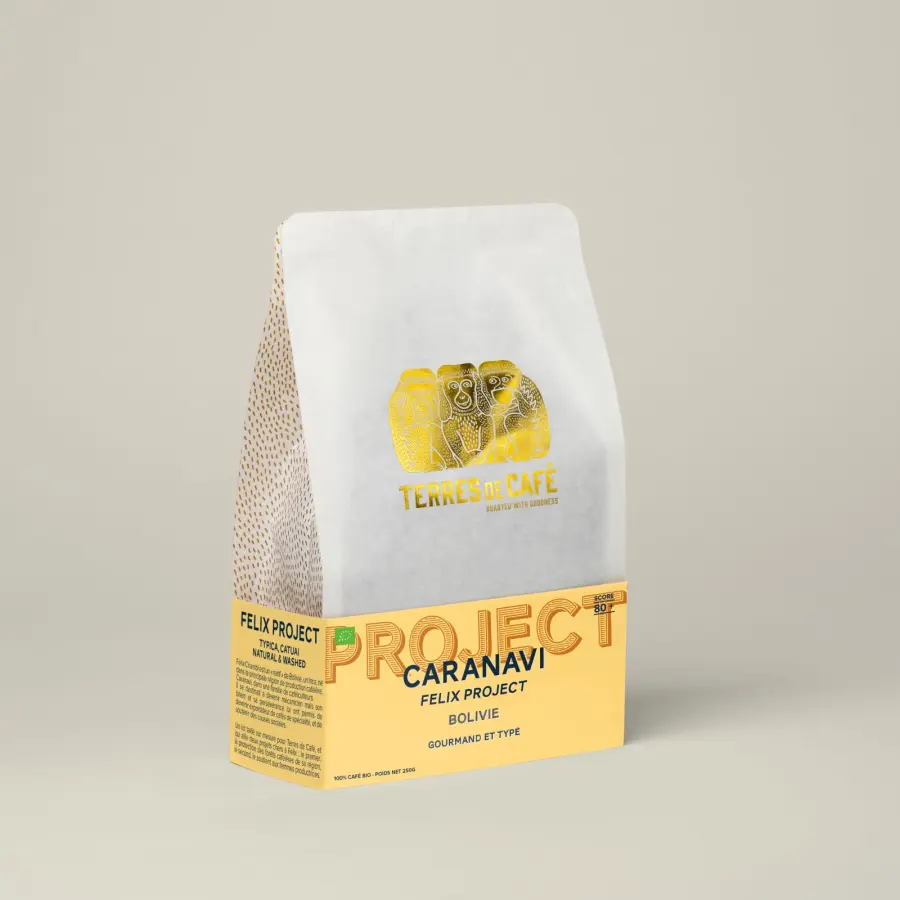
Price €13.20
Coffee Felix Project...
BOLIVIA - 250g
Terres de Café's organic whole bean coffee combines the same careful selection and artisanal roasting carried out in the Paris region as the rest of our range with coffees grown according to certified organic farming standards.
Prefer coffee that is ready to brew? Our selection of ground coffee includes these same organic origins. To bring out the best in your coffee, explore our range of coffee machines and coffee makers suited to different brewing methods.
Looking beyond organic certification? Discover our complete selection of whole bean coffee. You can also explore our full range of organic coffees, including whole bean, ground and capsule formats.
There are 28 products.
BOLIVIA - 250g
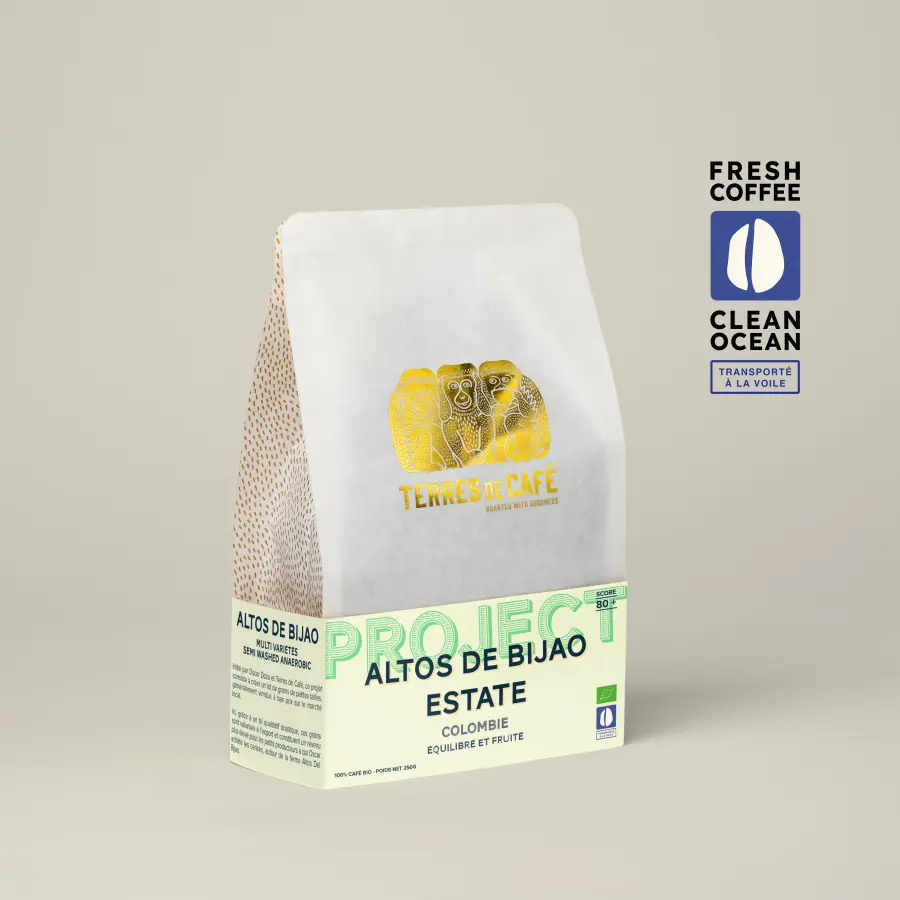
COLOMBIA - 250g
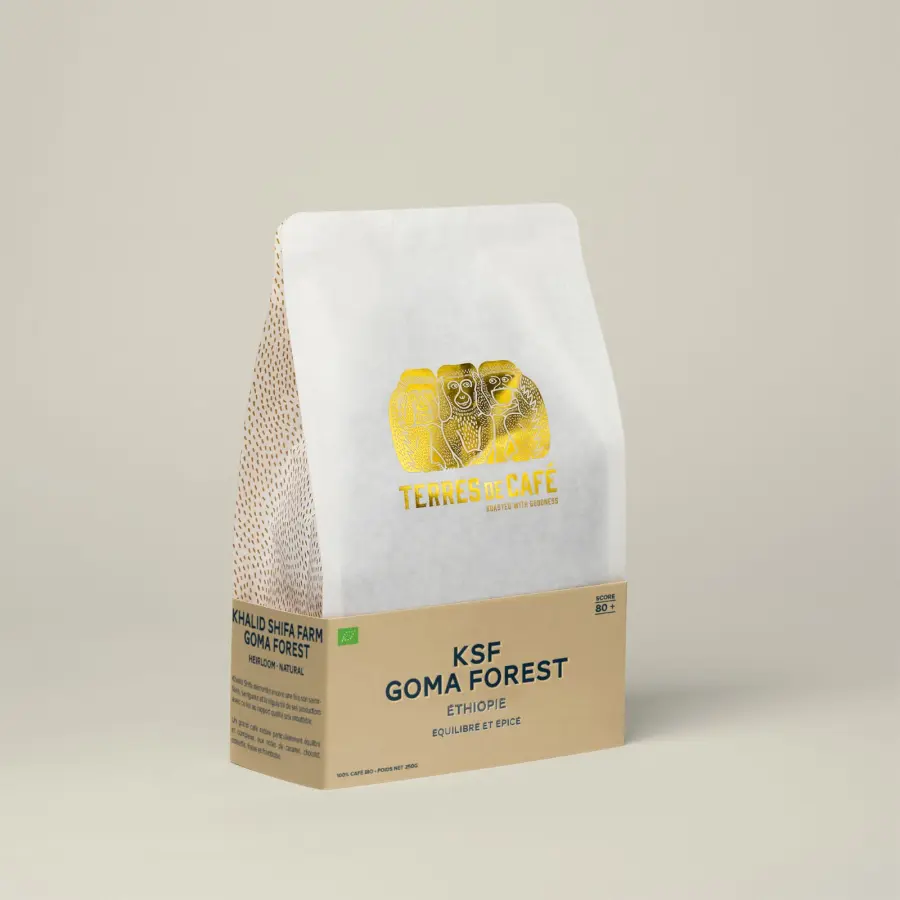
ETHIOPIA - 250g
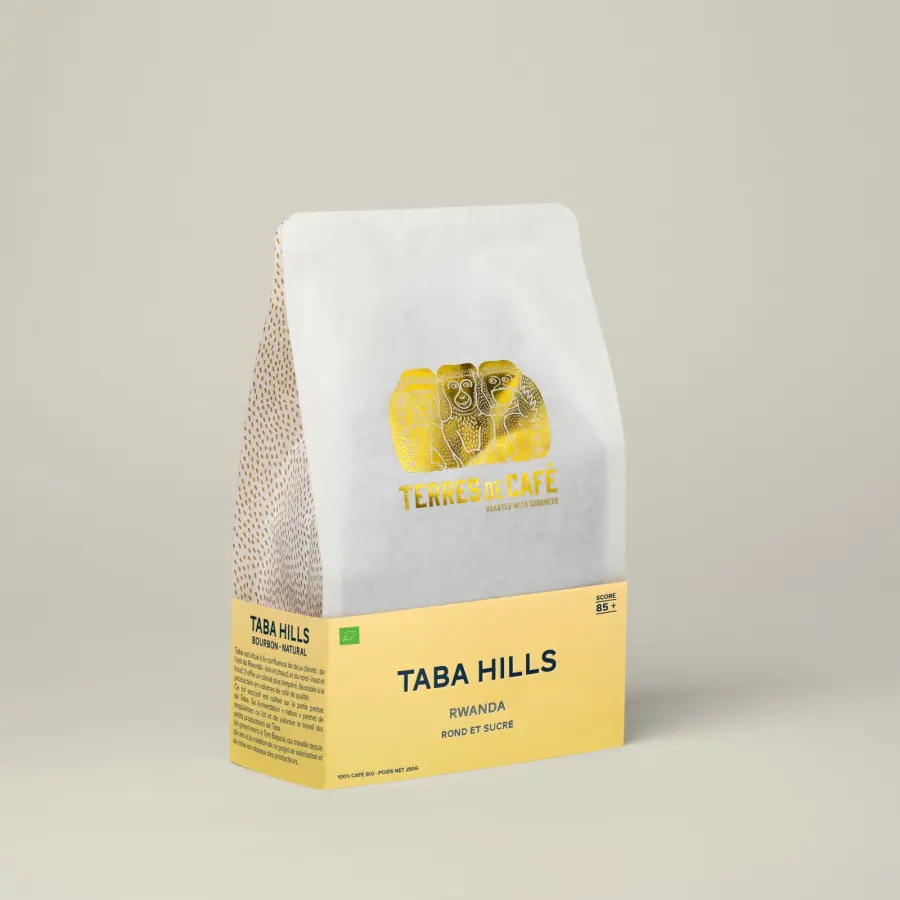
Rwanda - 250g
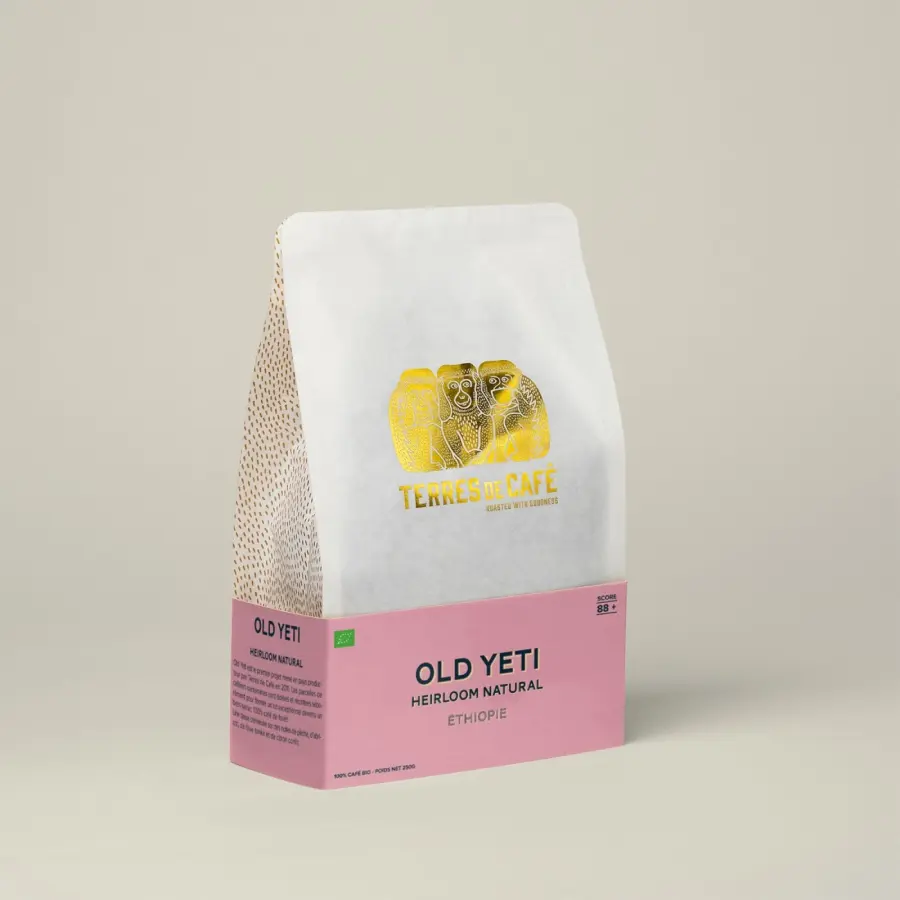
ETHIOPIA - 250g
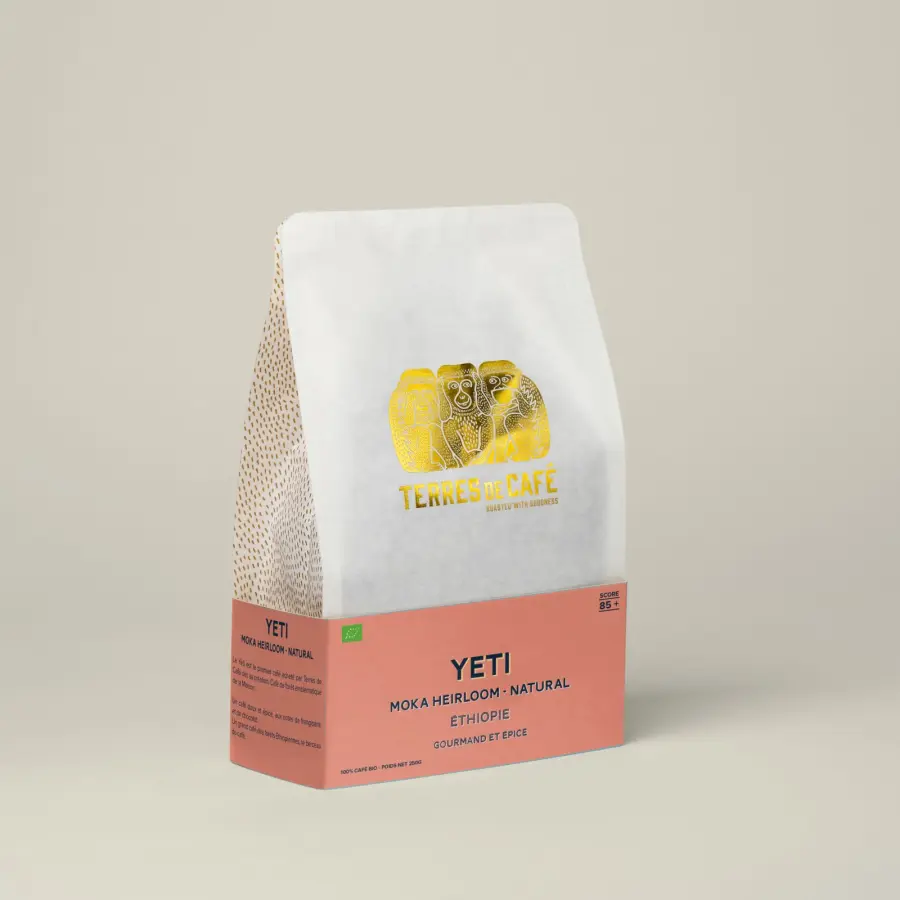
ETHIOPIA - 250g
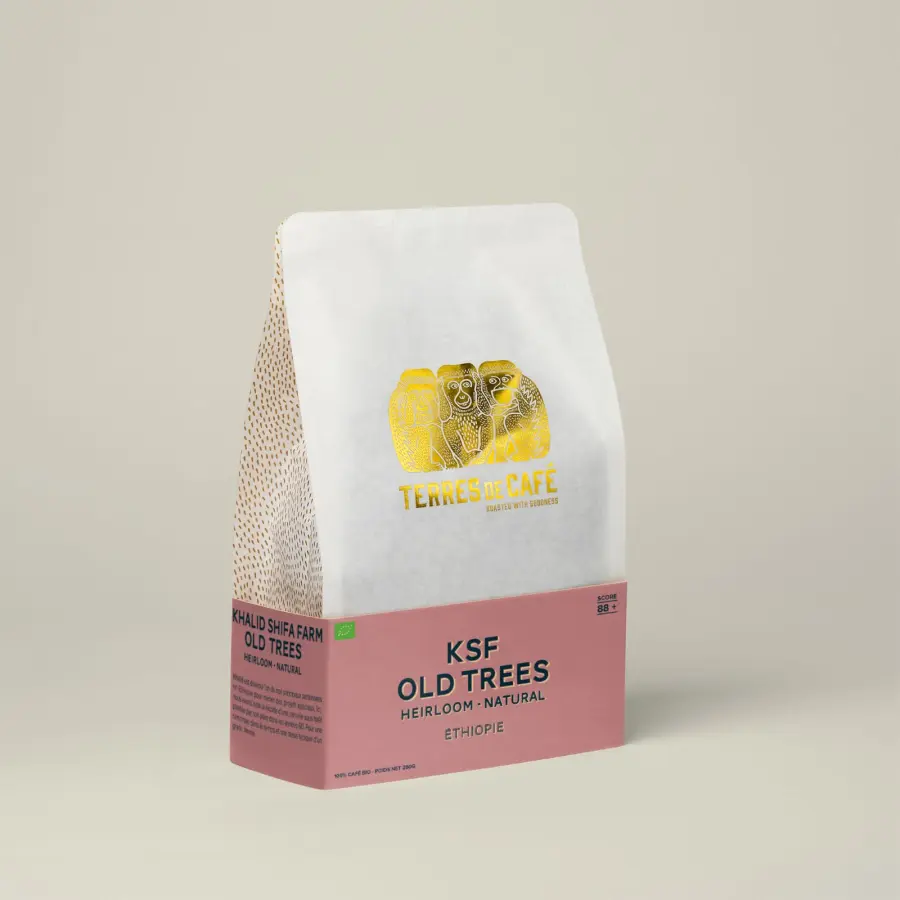
ETHIOPIA - 250g
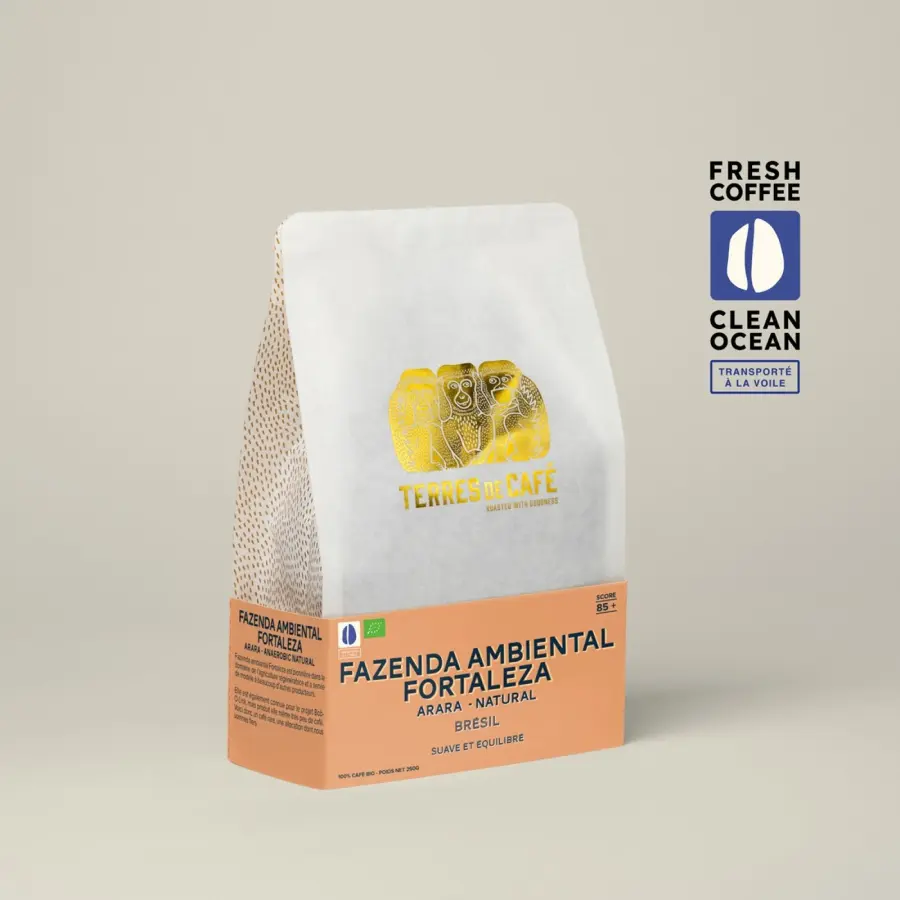
BRAZIL - 250g
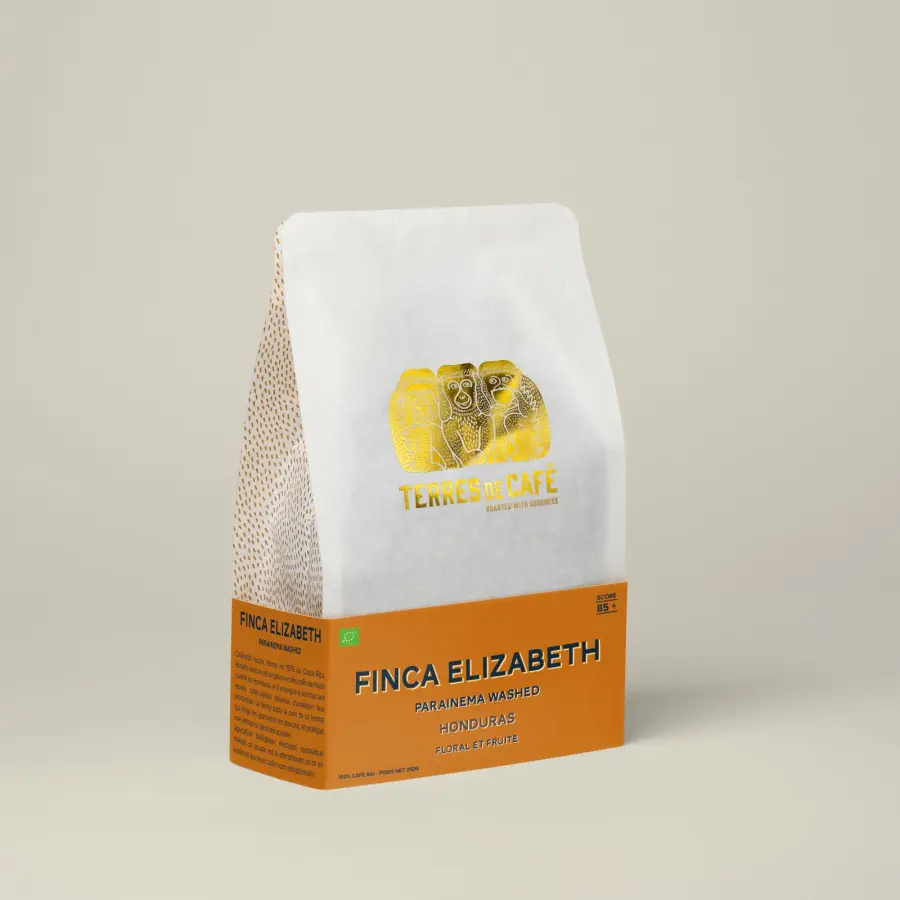
Honduras -250g
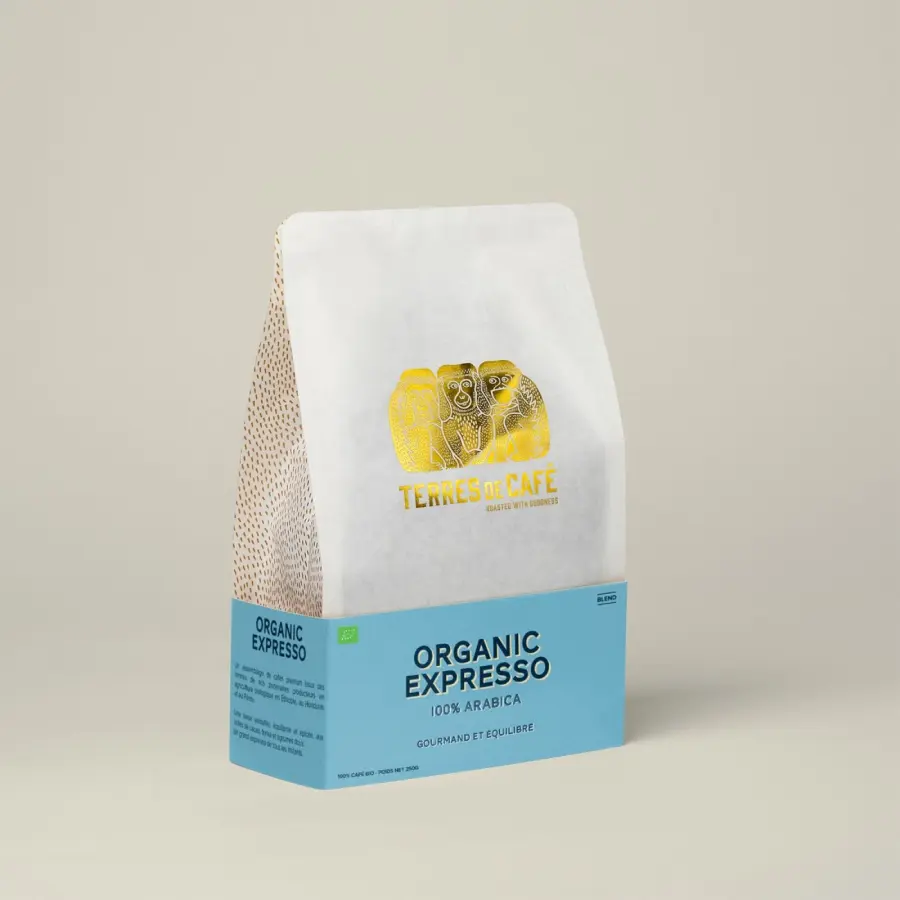
BLEND - 250g
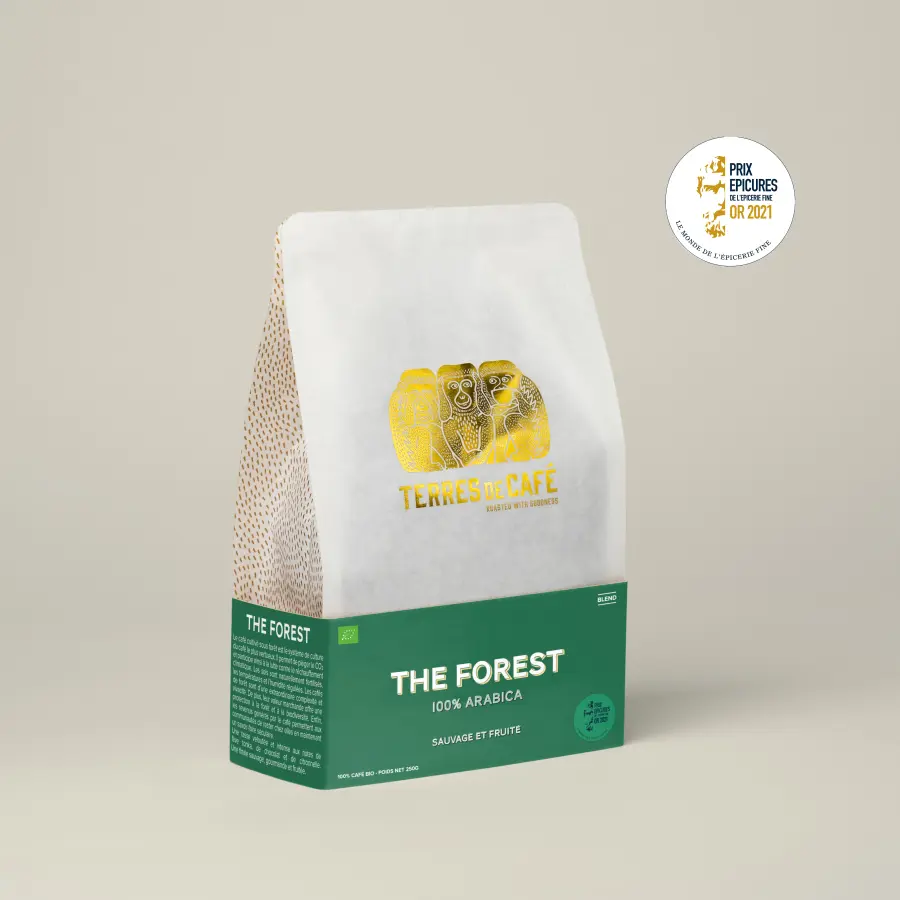
ETHIOPIA - 250g
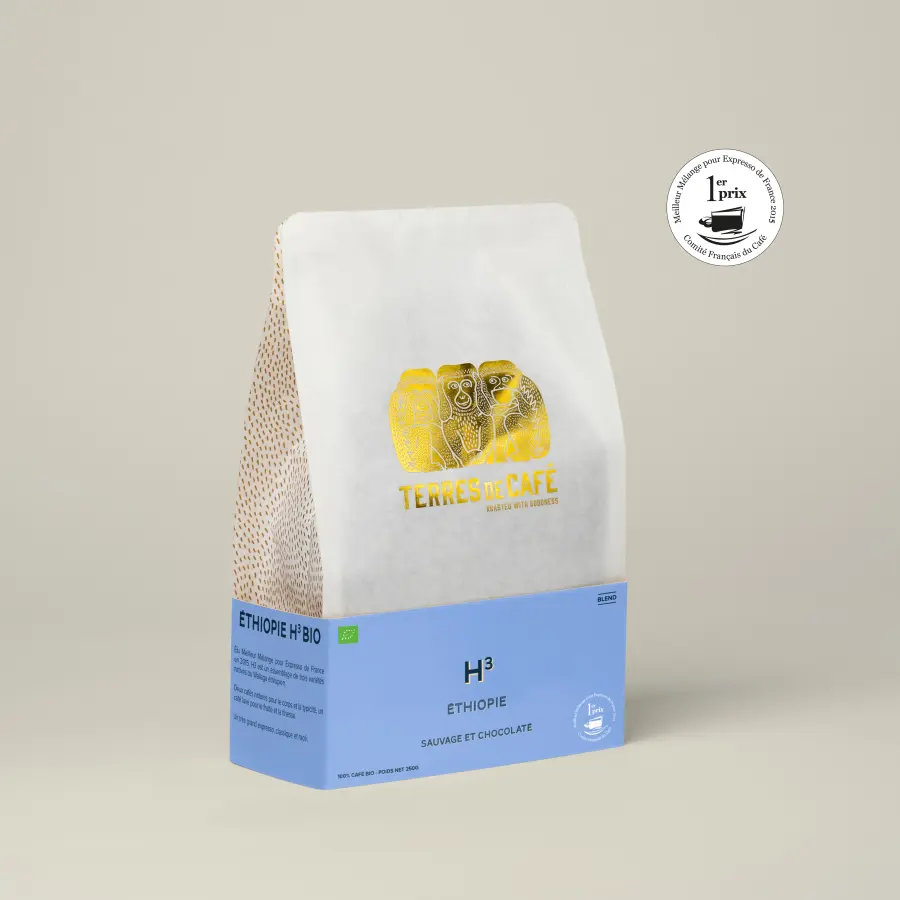
ETHIOPIA - 250g
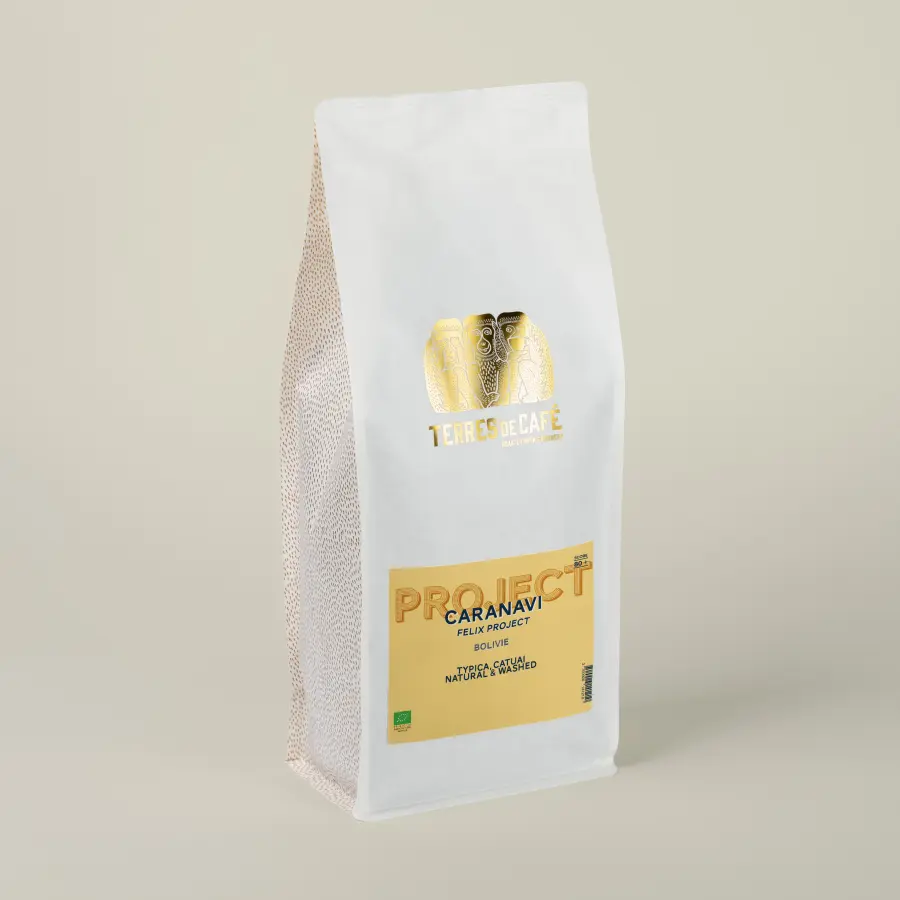
BOLIVIA - 250g
BLEND - 1kg
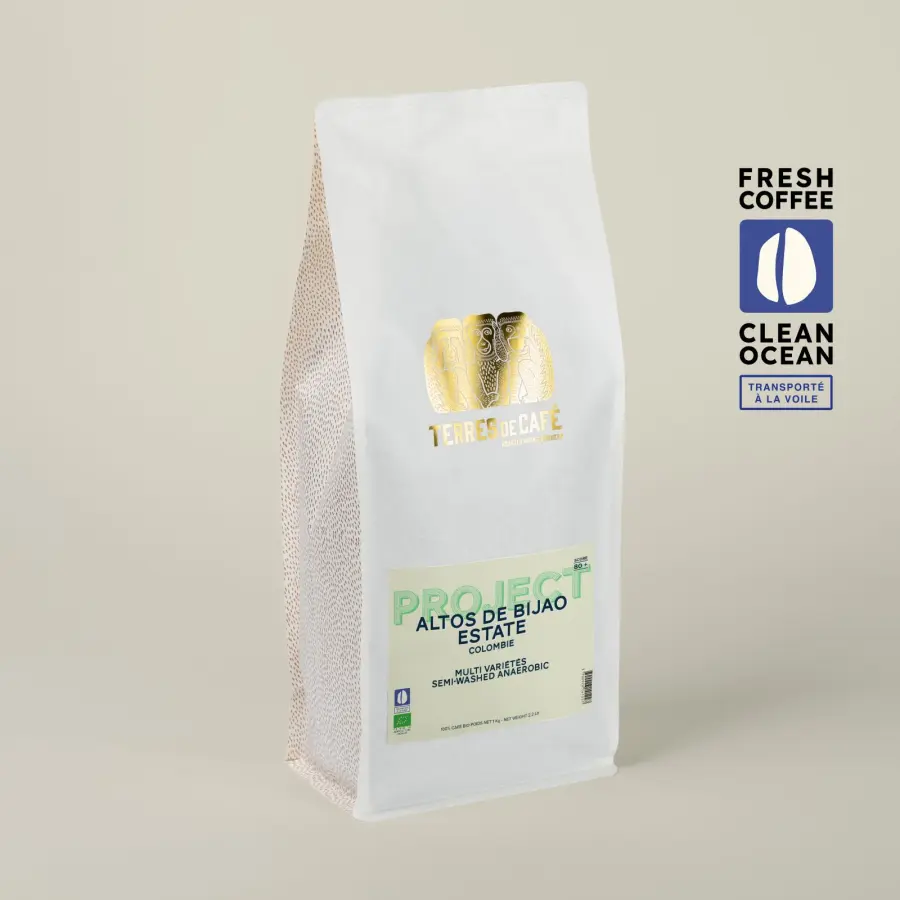
COLOMBIA - 250g
ETHIOPIA - 1kg
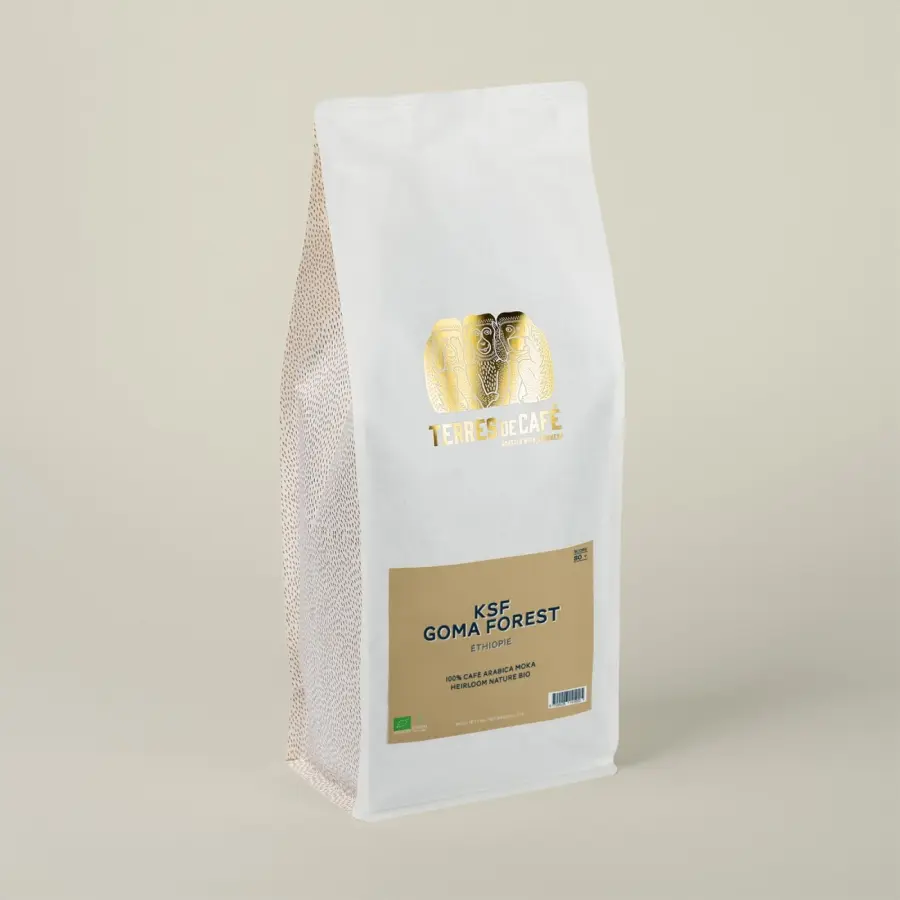
ETHIOPIA - 1kg
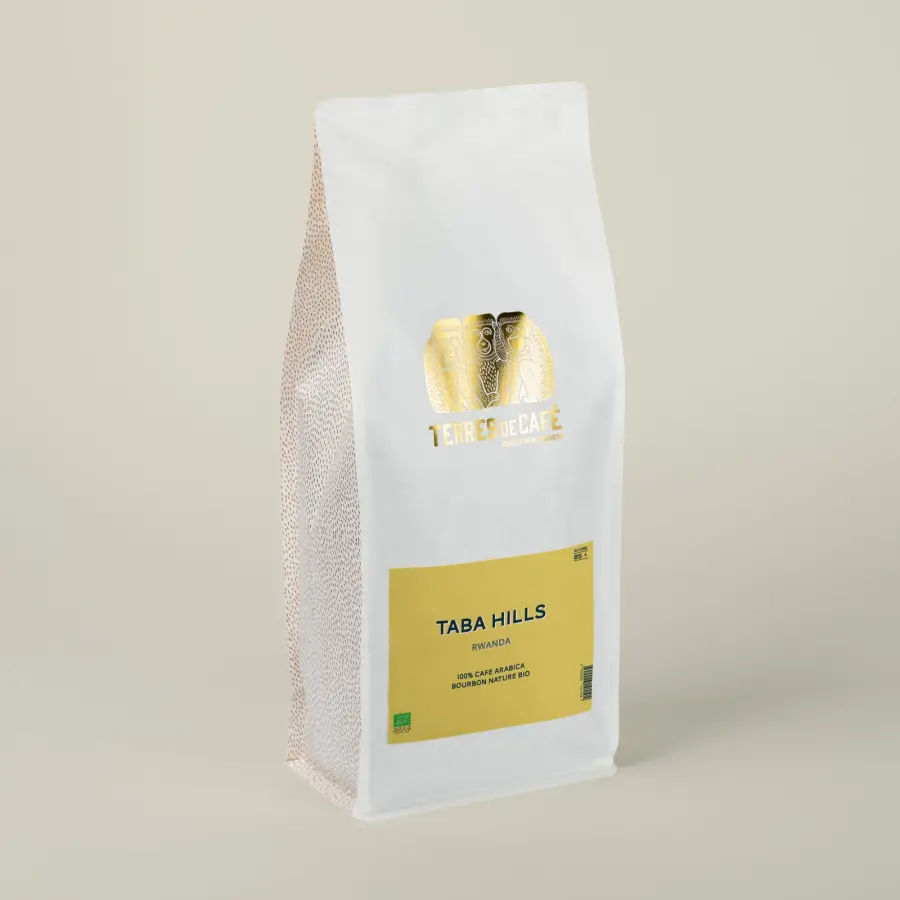
Rwanda - 1kg
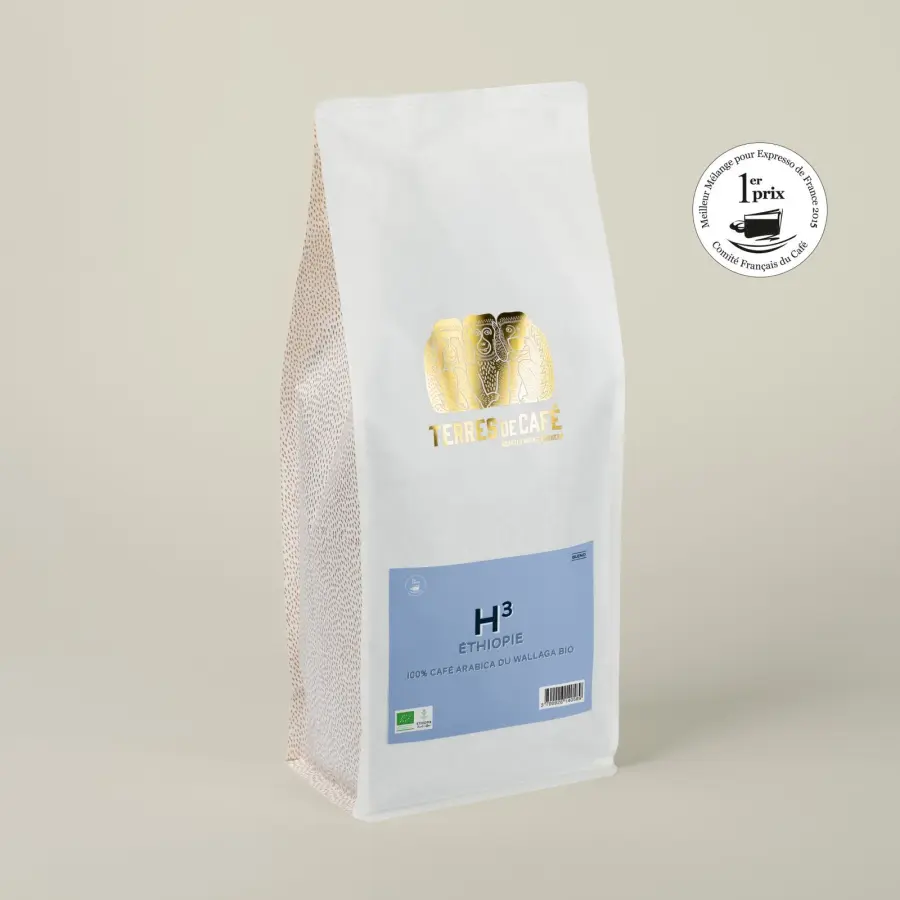
ETHIOPIA - 1kg
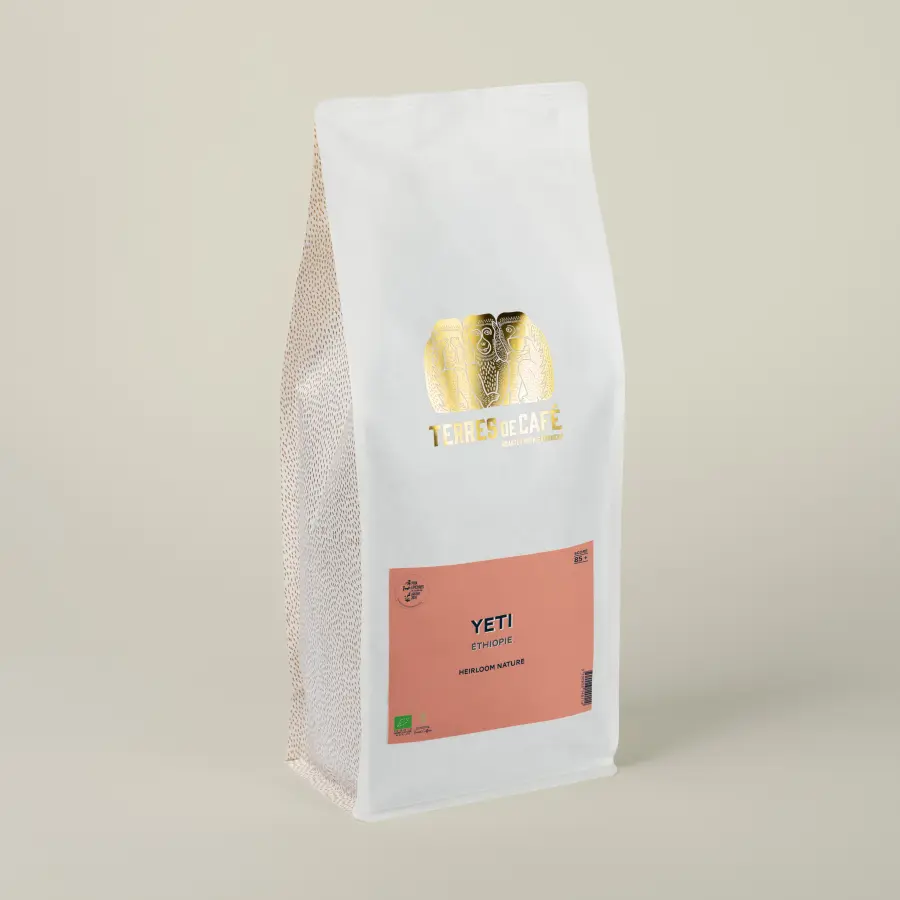
ETHIOPIA - 1kg
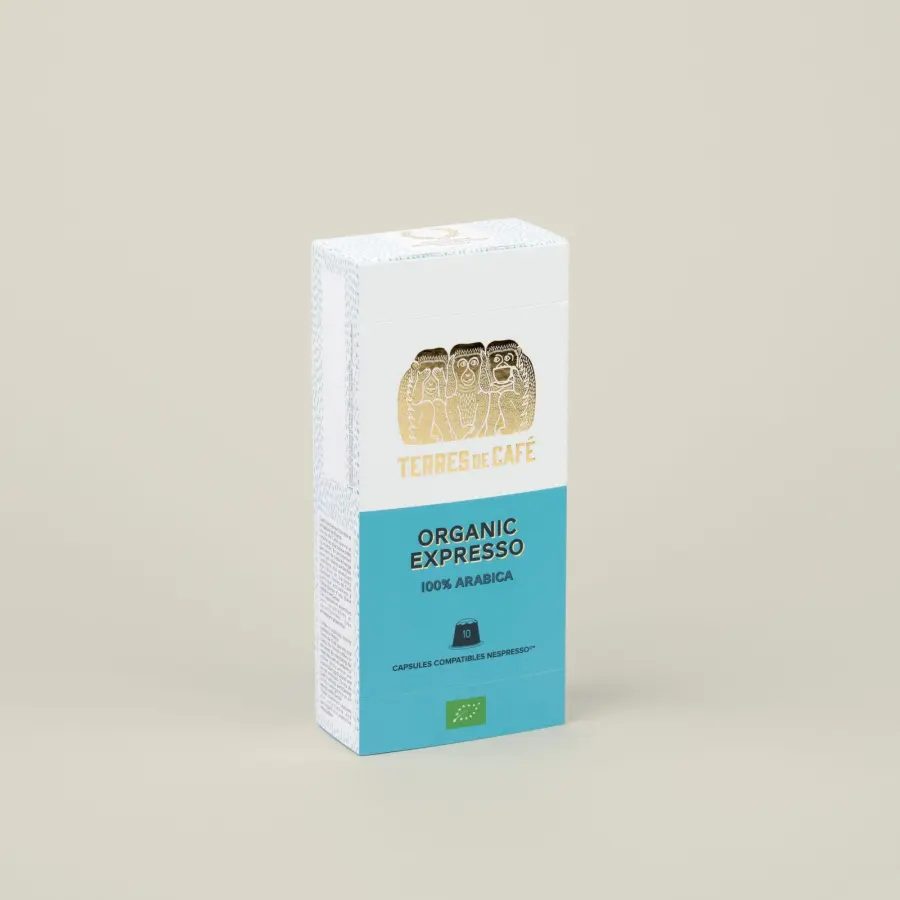
TERRES DE CAFE - 53g
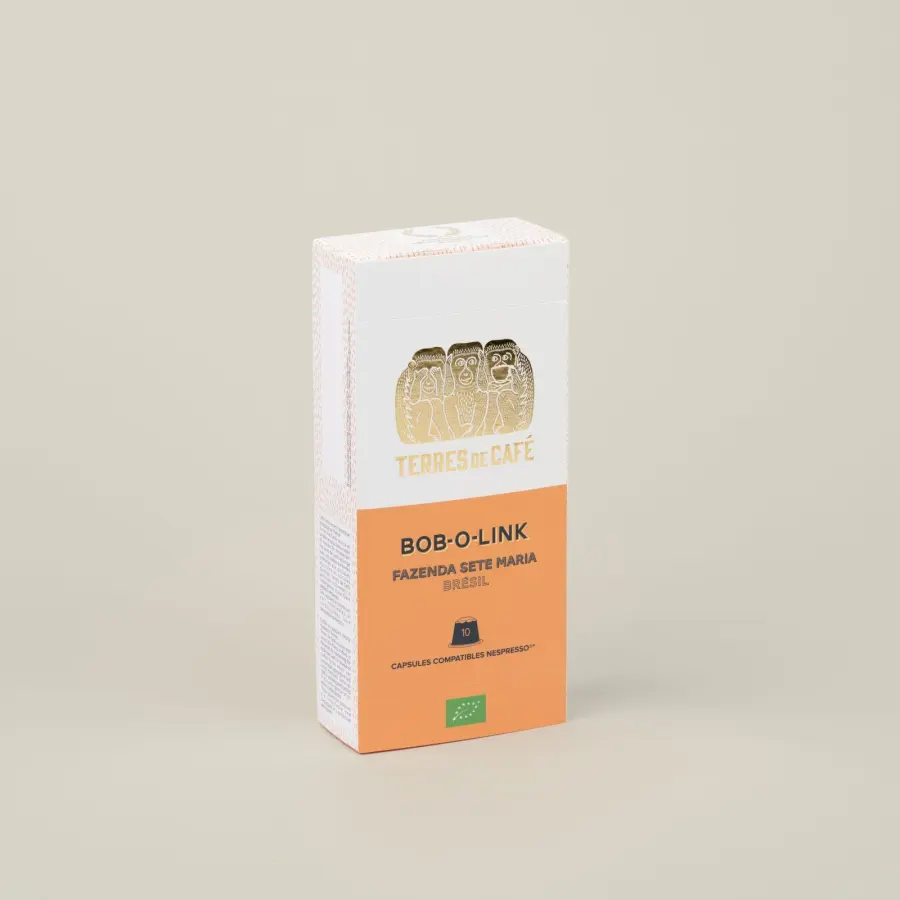
BRAZIL - 53g
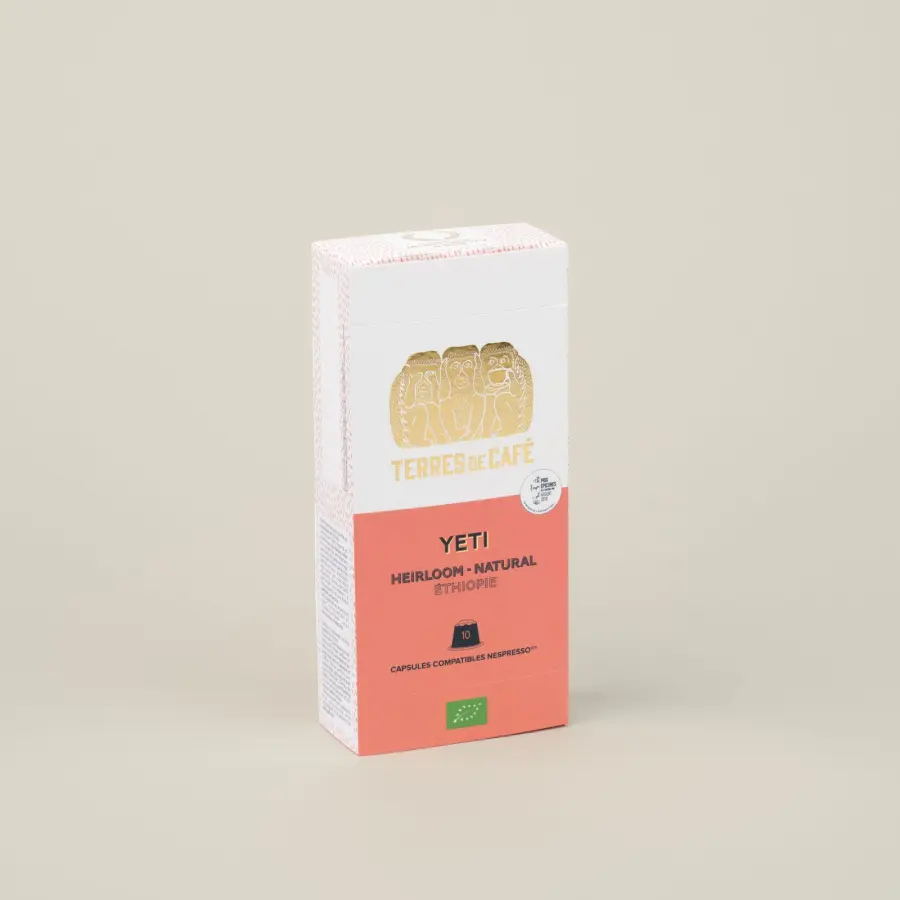
ETHIOPIA - 53g
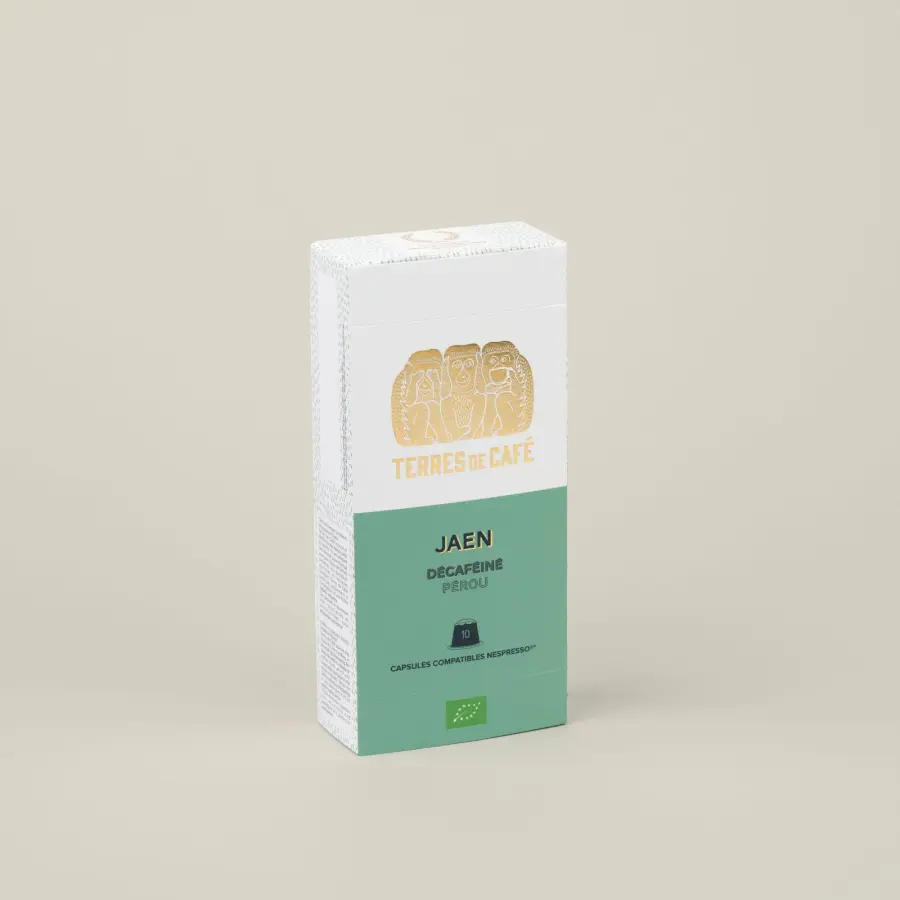
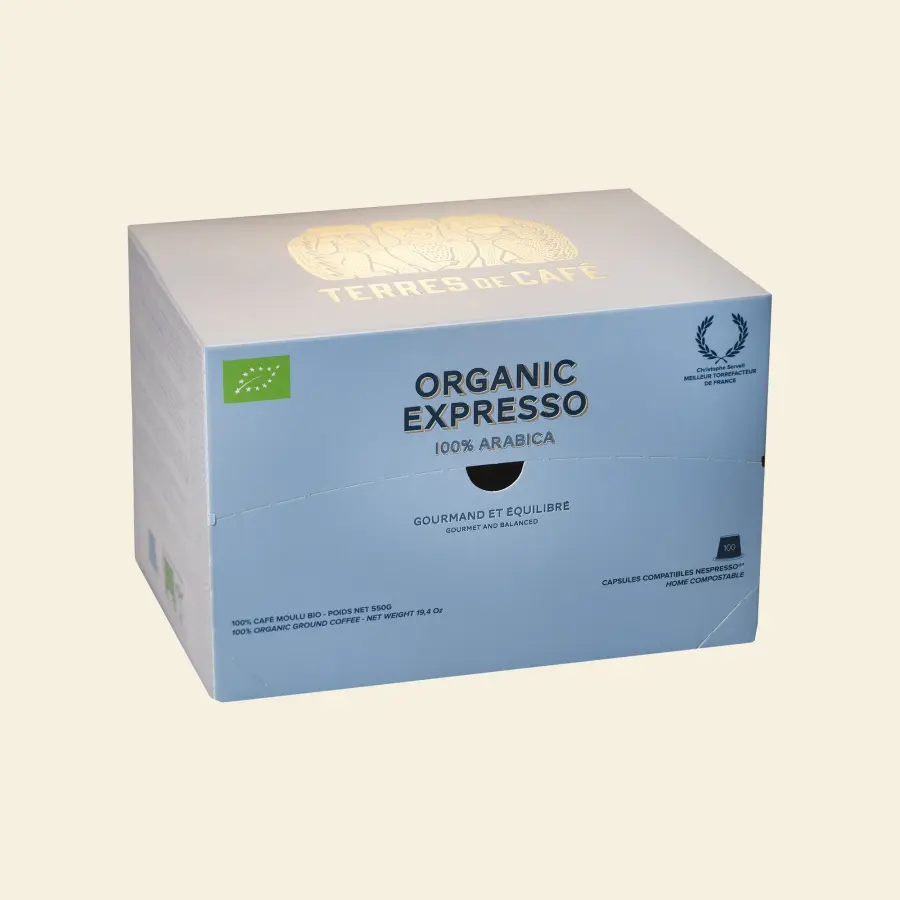
TERRES DE CAFE
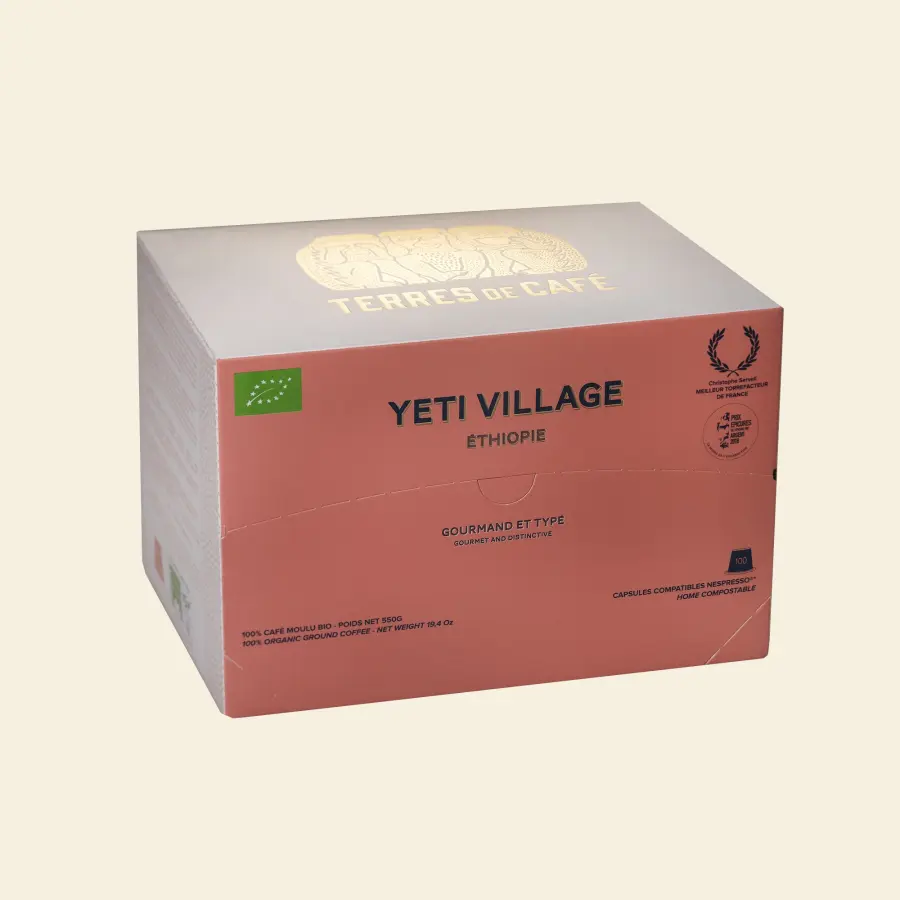
ETHIOPIA
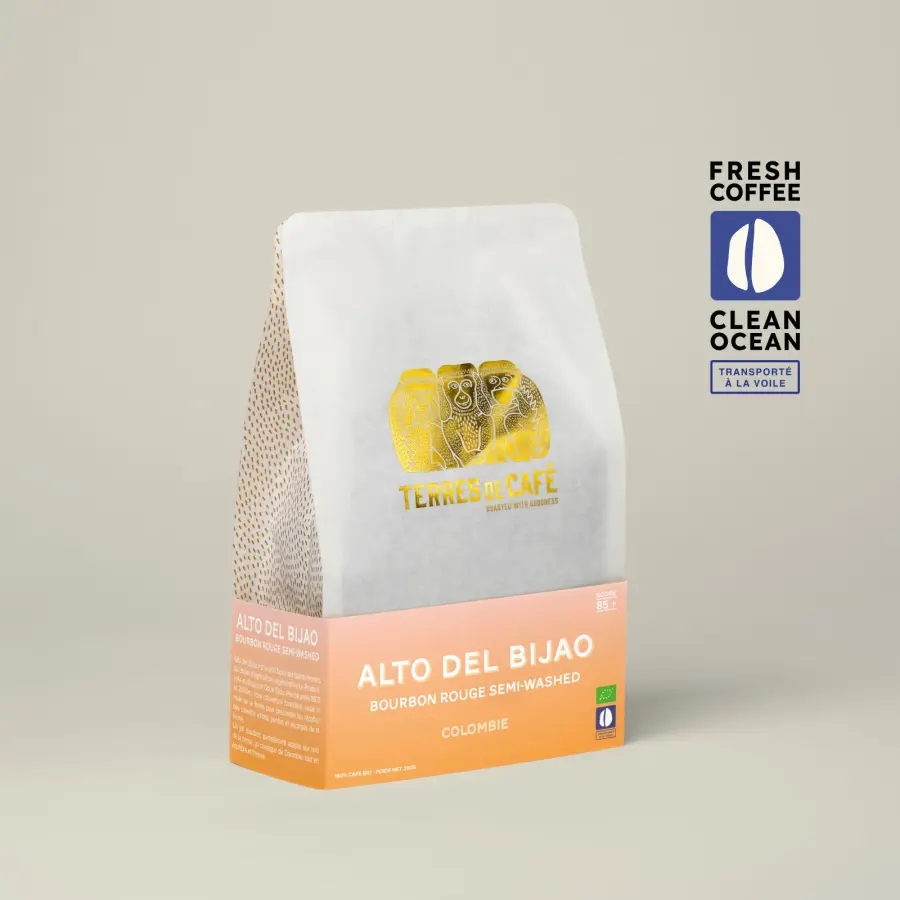
COLOMBIA - 250g
An organic specialty whole bean coffee meets two complementary sets of standards: those of organic farming, which restrict the use of synthetic pesticides and fertilisers, and those associated with specialty coffee, where careful selection and detailed traceability by country, region or farm play an essential role.
Our organic coffee beans receive the same artisanal roasting carried out in the Paris region as the rest of our range. They are sourced directly from producers and cooperatives, primarily in Africa and Latin America.
Choosing the right organic coffee beans depends primarily on the flavour profile you enjoy and the story and production methods behind each origin.
These four coffees illustrate the diversity of our organic coffee sourcing, from social projects and complex agroforestry systems to forest coffee and small producer communities.
Organic certification does not guarantee a particular flavour profile. It primarily relates to farming and production standards rather than the sensory characteristics of the finished coffee.
In specialty coffee, organic certification can be associated with agricultural systems that also place an emphasis on biodiversity and diversified farming. These include agroforestry, where coffee trees grow alongside shade trees and other crops, as well as forest coffee, where coffee is cultivated within a forest ecosystem.
At Taba Hills, for example, coffee trees grow alongside crops such as beans, squash and aubergines beneath the shade of banana trees. KSF Goma Forest, meanwhile, illustrates a different approach, with coffee cultivated within the forest environment itself.
Ultimately, the flavour of an organic specialty coffee depends on many factors, including terroir, altitude, coffee variety, processing method, roasting and brewing.
Organic whole bean coffee generally retains its aromatic qualities for longer than pre-ground coffee because grinding increases the surface area exposed to oxygen and accelerates oxidation.
If you have a coffee grinder, grinding only the amount you need immediately before brewing gives you greater control over both freshness and grind size.
If you do not have a grinder, our organic ground coffee selection offers these same origins in a convenient pre-ground format, with grind options suited to different brewing methods.
To preserve the aromatic qualities of your organic coffee beans, keep them away from light, heat, moisture and significant temperature fluctuations.
Store your coffee in its original resealable bag or a suitable airtight container at a stable room temperature. For everyday storage, a cool, dry cupboard is generally preferable to the refrigerator, where repeated exposure to moisture and temperature changes can affect the coffee.
For the best results, grind only the amount of coffee you need immediately before brewing.
Organic coffee is produced according to certified organic farming standards, which restrict the use of synthetic pesticides and fertilisers and establish specific requirements throughout production and certification.
At Terres de Café, our organic coffees receive the same careful selection and artisanal roasting as the rest of our specialty coffee range.
Not necessarily. Organic certification does not directly determine how a coffee tastes. The flavour profile depends primarily on factors such as origin, terroir, coffee variety, processing method, roasting and preparation.
Some of our organic coffees are also grown in agroforestry or forest-based systems that encourage more diversified coffee-growing environments, but these farming practices should not be considered a guarantee of a specific flavour profile.
Yes. Our organic origins are also available as ground coffee, with different grind options depending on your chosen brewing method.
We work directly with producers and cooperatives, primarily in Africa and Latin America, with an emphasis on coffee traceability by country, region and, whenever possible, individual farm or producer.